Where to Stay in Tokyo 2026: Best Neighborhoods for First-Timers, Foodies, Nightlife
2026-07-06· Updated 2026-09-11 · 3 min read

Tokyo has 100+ neighborhoods and hotel pricing varies 3x by area. Here's the 2026 guide to picking the RIGHT area — with hotels for each budget.
Tokyo has 100+ distinct neighborhoods. Picking wrong = 45 min extra commute to everything. Picking right = walk to the metro + food + nightlife.
💡Last content review: September 2026
Prices, dates, and opening hours compiled from official operator websites and Japanese-language public sources.
The 8 best neighborhoods ranked
| Neighborhood | Best for | Hotel range | Verdict | Book |
|---|---|---|---|---|
| Shinjuku | First-timers, transit hub, nightlife | ¥10K-40K | ★★★★★ Universal winner | 🏨 Book |
| Shibuya | Young crowd, nightlife, shopping | ¥12K-40K | ★★★★★ Second choice | 🏨 Book |
| Asakusa | Traditional, budget, Sensoji | ¥6K-20K | ★★★★ Best budget | 🏨 Book |
| Ginza | Luxury, shopping, business | ¥25K-100K | ★★★★ For luxury | 🏨 Book |
| Roppongi | Expat, nightlife, art museums | ¥15K-50K | ★★★★ | 🏨 Book |
| Ueno | Budget, families, park + zoo | ¥6K-15K | ★★★ Cheap but far | 🏨 Book |
| Marunouchi/Tokyo Station | Business, easy shinkansen | ¥15K-60K | ★★★★ | 🏨 Book |
| Nihombashi | Traditional business, less tourist | ¥12K-30K | ★★★★ | 🏨 Book |
Shinjuku (best all-around #1)
- ●Pros: World's busiest train station (transit hub); massive food scene; Golden Gai nightlife; safe; endless hotels
- ●Cons: Can feel overwhelming for first-timers; some hotels in seedier east side
- ●Best hotels: Park Hyatt TokyoPR (¥60K+), Century Southern Tower (¥25K), Hotel Gracery (¥18K, Godzilla head)
- ●Best area: West Shinjuku (business/hotels) or Kabukicho (nightlife but rough vibe)
- ●Transit: JR Yamanote + all 3 subway lines; 4-15 min to any major area
Shibuya (best for young/trendy travelers)
- ●Pros: Vibrant young energy; walking to Harajuku, Aoyama, Shimokitazawa; endless bars
- ●Cons: Louder, less zen; hotel prices climbing fast
- ●Best hotels: Cerulean Tower (¥35K), Trunk Hotel (¥40K, design), Sequence Shibuya (¥22K)
- ●Best area: Around Shibuya Stream (newer, quieter) or Cerulean Tower area
Asakusa (best for budget + traditional)
- ●Pros: Sensoji temple + old TokyoPR vibes; cheapest area; family-friendly
- ●Cons: 20-30 min to modern TokyoPR (Shibuya/Shinjuku); less variety after 8 PM
- ●Best hotels: Wired Hotel (¥12K), The Gate Hotel Kaminarimon (¥25K), Khaosan Hostel (¥4K/dorm)
- ●Best area: Near Kaminarimon (main gate) for temple access + food
Ginza (best for luxury/business)
- ●Pros: World-class shopping (Chanel, Cartier, etc); world's best sushi; safe; well-connected
- ●Cons: Expensive AF; can feel sterile at night
- ●Best hotels: Mandarin Oriental TokyoPR (¥100K+), Andaz Tokyo (¥60K), Millennium Mitsui (¥35K)
- ●Best area: Near Ginza Six or on Chuo-dori main street
Roppongi (best for nightlife/expat/art)
- ●Pros: Best expat nightlife; Roppongi Hills + Mori Art Museum; TokyoPR Tower views
- ●Cons: Can feel tourPRisty; some sketchy streets
- ●Best hotels: Ritz-Carlton TokyoPR (¥90K+), Grand Hyatt Roppongi (¥45K), Candeo Hotels (¥18K)
- ●Best area: Around Roppongi Crossing or Toranomon Hills
Where NOT to stay
- ●Odaiba — pretty but transit-isolated (only 1 train line, 30+ min to anywhere)
- ●Ikebukuro — cheap but grim vibe; skip unless budget-only
- ●Anywhere requiring 2+ train changes to Shibuya/Shinjuku — commute kills your trip
- ●Airport hotels — only if you have 5 AM flightPR and no other option
Frequently asked questions
What is a reasonable budget?
A full-service meal at a popular ramen shop costs ¥900–¥1,500; a casual sushi lunch runs ¥1,500–¥3,000; mid-range dinner at an izakaya averages ¥3,000–¥5,000 per person including drinks. Michelin-listed sushi or kaiseki in TokyoPR and Kyoto can start from ¥15,000 at lunch and climb past ¥30,000 for dinner tasting menus. Convenience-store meals (¥400–¥700) and standing-bar yakitori (¥2,000–¥3,000) stretch budgets without sacrificing quality.
Are reservations required?
High-end restaurants, especially Michelin-rated and chef-forward counter spots, typically require reservations 2–4 weeks in advance; the most sought-after sushi counters book months out. Casual ramen, curry, and standing bars generally do not take reservations and operate on walk-in queues of 15–45 minutes at peak hours. Platforms like Tabelog, Pocket Concierge, and TableCheck handle most online bookings; some venues still require a Japanese-speaking caller or hotel concierge intermediary.
Are English menus available?
In central TokyoPR, Kyoto, and Osaka, roughly 70% of tourist-area restaurants now offer English menus, picture menus, or tablet-based ordering with English support. Smaller cities and residential neighbourhoods are more variable — Google Translate camera mode handles about 90% of printed menus adequately. Allergies and dietary restrictions are harder to communicate reliably; a printed restriction card in Japanese is strongly recommended for anyone with serious allergies.
What is the best time of day to go?
Lunch sets (teishoku) offer the best value, typically running 30–50% less than the same restaurant's dinner menu while serving nearly identical dishes. Peak dinner service (7–9 PM) carries the longest queues; an earlier 5:30 PM arrival or late 9 PM sitting at izakaya skips the worst waits. Breakfasts in Japan are hotel-dominated — most independent restaurants only open from 11 AM, with a few notable coffee shop and bakery exceptions.
Are dietary restrictions handled well?
Japan's food scene is improving on dietary accommodation but is still less mature than Western cities. Vegetarian and vegan travellers can rely on dedicated apps (HappyCow), shojin-ryori temple restaurants, and a growing list of vegan ramen shops, but should expect fewer options in traditional sushi, izakaya, and ramen contexts. Dashi (fish stock) hides in many "vegetable" dishes. Severe allergies warrant a bilingual allergy card; many restaurants will adapt dishes when asked clearly in advance.
Book Shinjuku hotels
- ✓ Free cancellation on most rooms
- ✓ Compare 28M+ properties
- ✓ No booking fees
⏰ Prices update daily — book early for peak dates
Affiliate link — we may earn a commission at no extra cost to you.
Book Shibuya hotels
- ✓ Free cancellation on most rooms
- ✓ Compare 28M+ properties
- ✓ No booking fees
⏰ Prices update daily — book early for peak dates
Affiliate link — we may earn a commission at no extra cost to you.
Book Asakusa hotels (budget)
- ✓ Free cancellation on most rooms
- ✓ Compare 28M+ properties
- ✓ No booking fees
⏰ Prices update daily — book early for peak dates
Affiliate link — we may earn a commission at no extra cost to you.
🛠️ Free travel tools
Interactive tools built by us — no signup, no ads.
🎯 For readers of this guide
Ready to book your stay?
Live prices for Tokyo — free cancellation on most rooms.
- ✓ Free cancellation
- ✓ Best price guarantee
- ✓ No booking fees
Affiliate link — no extra cost to you
📚 Related guides

Where to Stay in Tokyo: Best Areas for Tourists (2026)
A no-nonsense breakdown of Tokyo's best neighborhoods to base yourself, by budget and travel style.
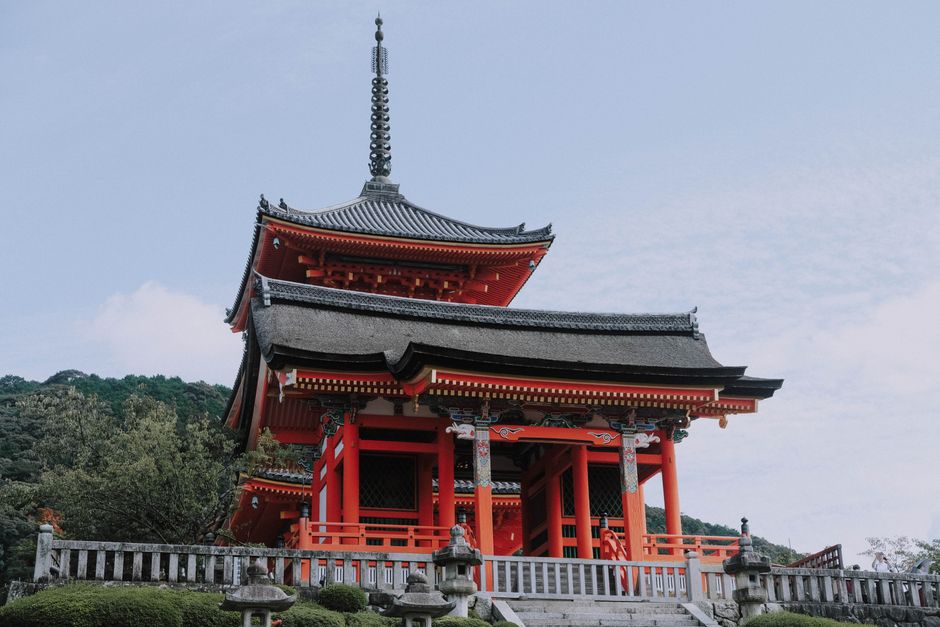
Where to Stay in Kyoto: Best Neighborhoods (2026)
Kyoto's best base areas compared — for temple access, atmosphere and value.
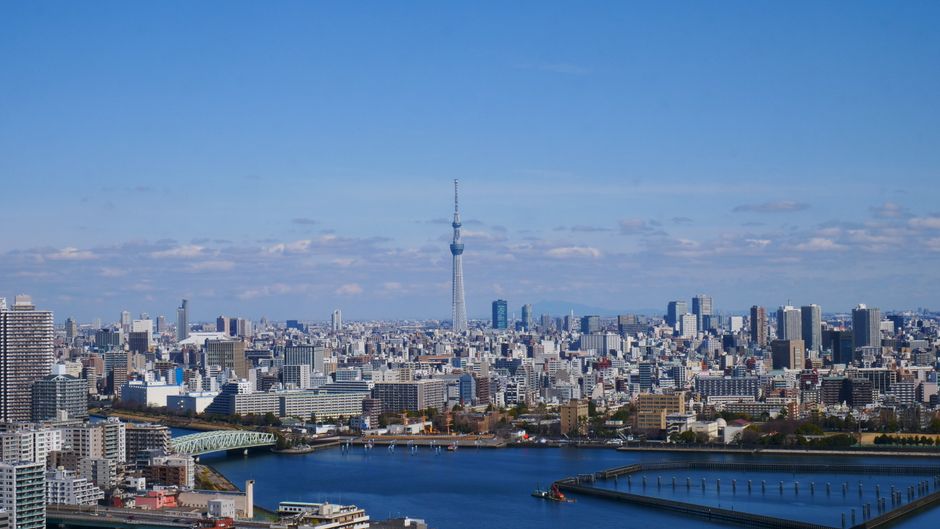
Tokyo 5-Day Itinerary 2026: First-Timer Perfect Trip
Tokyo in 5 days — neighborhood-by-neighborhood plan with day trip options, food, and where to stay. First-timer focused.

Booking.com vs Agoda for Japan Hotels 2026: Real Price Test
Booking.com generally has stronger Kyoto ryokan inventory and more free cancellation. Agoda tends to be cheaper for Tokyo business hotels. Here's when to use each — and the free-cancellation trick to book both.
💬Helped you? Share it
📮Got feedback?
Spot an error, missing info, or have a suggestion? We read every message.
Send feedback →