⛩️ Summer
Japan Summer Festivals
Matsuri & Bon Odori — July & August
🏨 Search Japan hotels — live prices
1M+ properties · Free cancellation · Best price guarantee
Popular destinations
About Japanese Festivals (祭り)
👘
Wear
Yukata (summer kimono)
🍢
Eat
Yatai street food stalls
🥁
Experience
Taiko drums & dancing
Major Summer Festivals 2026
Gion Matsuri
Kyoto, Kyoto
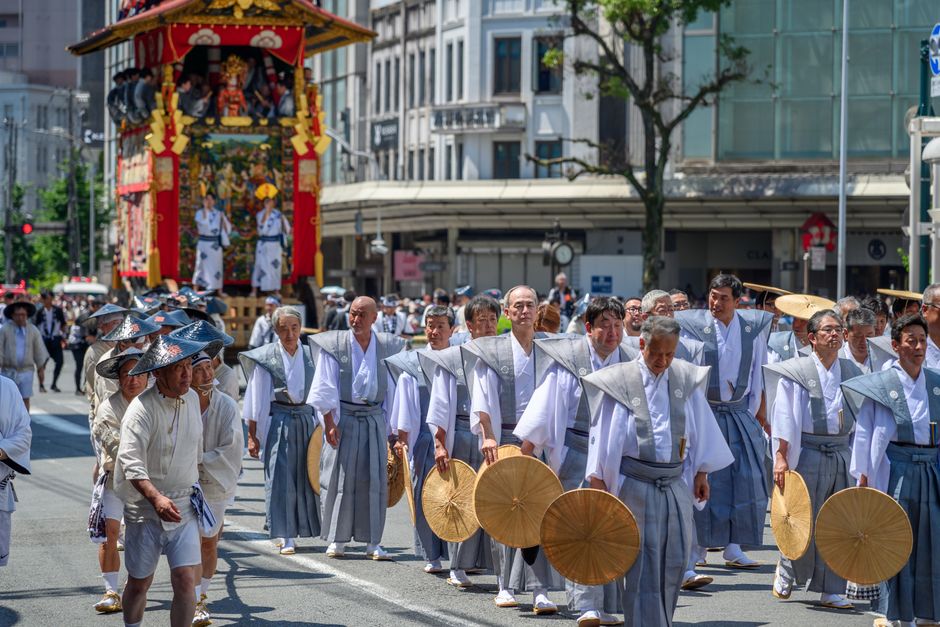
Japan's most famous festival, dating back to 869 AD. Massive decorated floats (yamaboko) parade through Kyoto's streets. The Yoiyama evenings are magical with paper lanterns.
🚃 Karasuma-Oike Station (Kyoto Municipal Subway)

Awa Odori
Tokushima, Tokushima
Japan's largest dance festival with 100,000+ dancers filling the streets of Tokushima. The infectious rhythm and colorful yukata make it one of Japan's most joyful events.
🚃 Tokushima Station (JR Tokushima Line)
Aomori Nebuta Festival
Aomori, Aomori
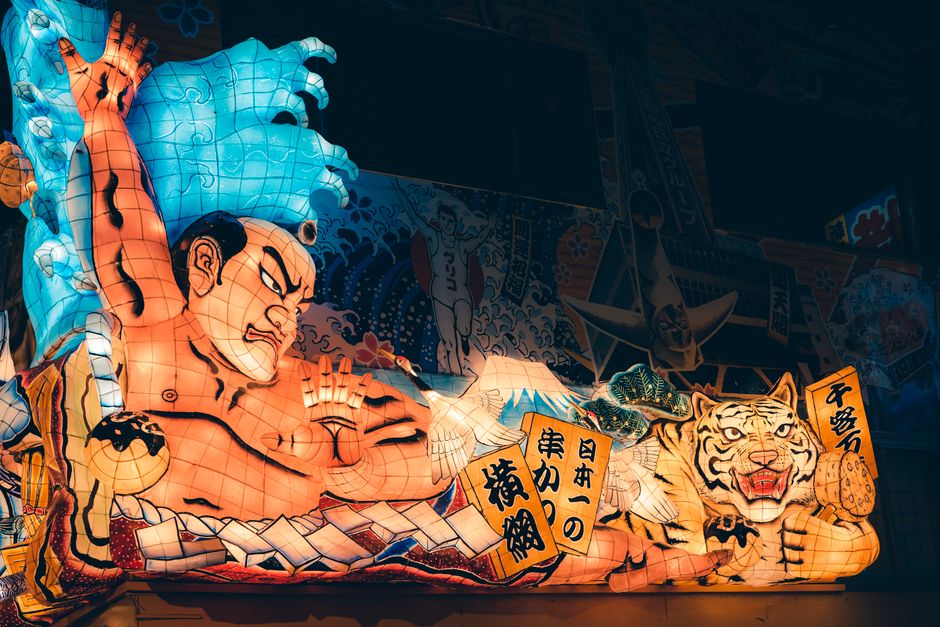
Enormous illuminated paper lantern floats (nebuta) depicting warriors and mythological figures parade through the city at night. Spectacular and unique to the Tohoku region.
🚃 Aomori Station (JR Tohoku Shinkansen)

Tenjin Matsuri
Osaka, Osaka
One of Japan's three great festivals. A grand procession by land and river, with 3,000 participants in traditional costumes and a fireworks show finale.
🚃 Minami-Morimachi Station (Osaka Metro Tanimachi Line)

Sendai Tanabata Festival
Sendai, Miyagi
Japan's largest Tanabata (Star Festival) celebration. The streets are draped with thousands of colorful, elaborate paper streamers (fukinagashi) — a stunning visual spectacle.
🚃 Sendai Station (JR Tohoku Shinkansen)
Koenji Awa Odori
Tokyo, Tokyo
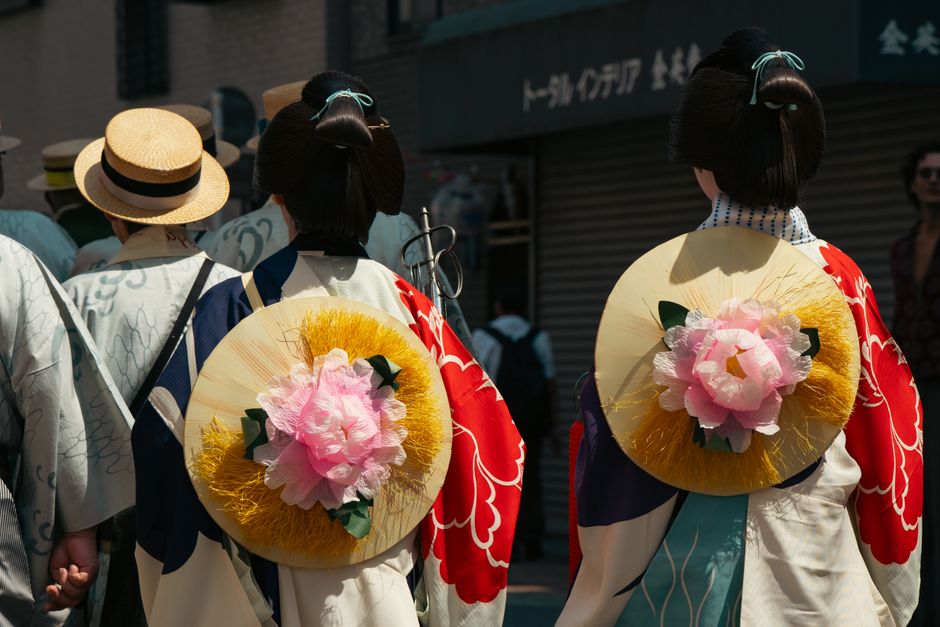
Tokyo's biggest summer dance festival inspired by the Awa Odori of Tokushima. Over 10,000 dancers fill the streets of Koenji neighborhood — a lively, accessible Tokyo experience.
🚃 Koenji Station (JR Chuo Line)
Sanja Matsuri
Tokyo, Tokyo
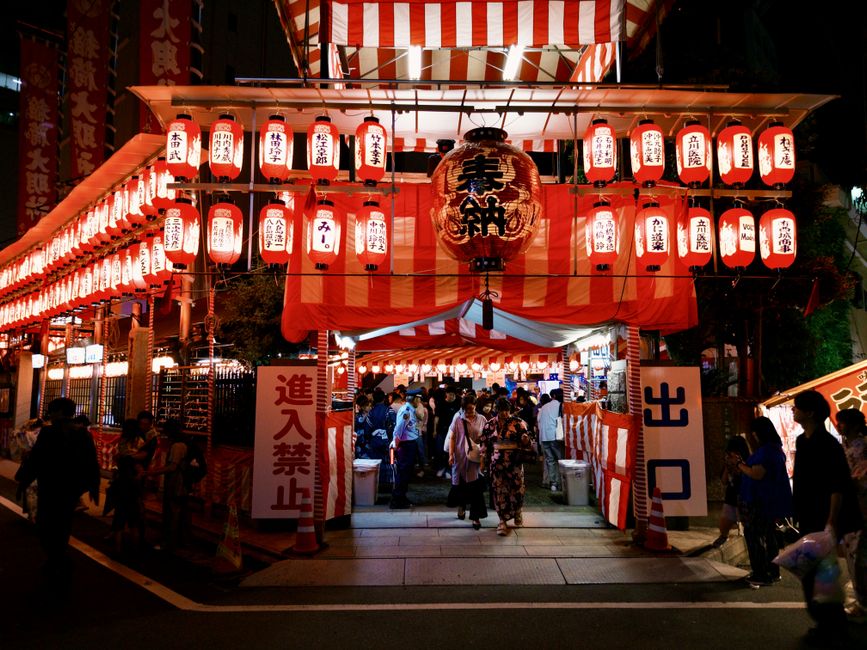
One of Tokyo's three great Shinto festivals at Asakusa's Senso-ji area. Wild street processions of 100+ portable shrines (mikoshi) carried through Asakusa over 3 days. Far more raw and energetic than the polished Kyoto festivals.
🚃 Asakusa Station (Tokyo Metro Ginza / Toei Asakusa / Tobu Skytree Line)

Yamaga Toro Matsuri
Yamaga, Kumamoto
Kumamoto's elegant lantern festival where 1,000 women dance through the streets balancing gold paper lanterns on their heads. The visual is unlike anything else in Japan — a quiet, mesmerizing alternative to loud summer matsuri.
🚃 JR Kumamoto Station + bus (~1 hour to Yamaga)
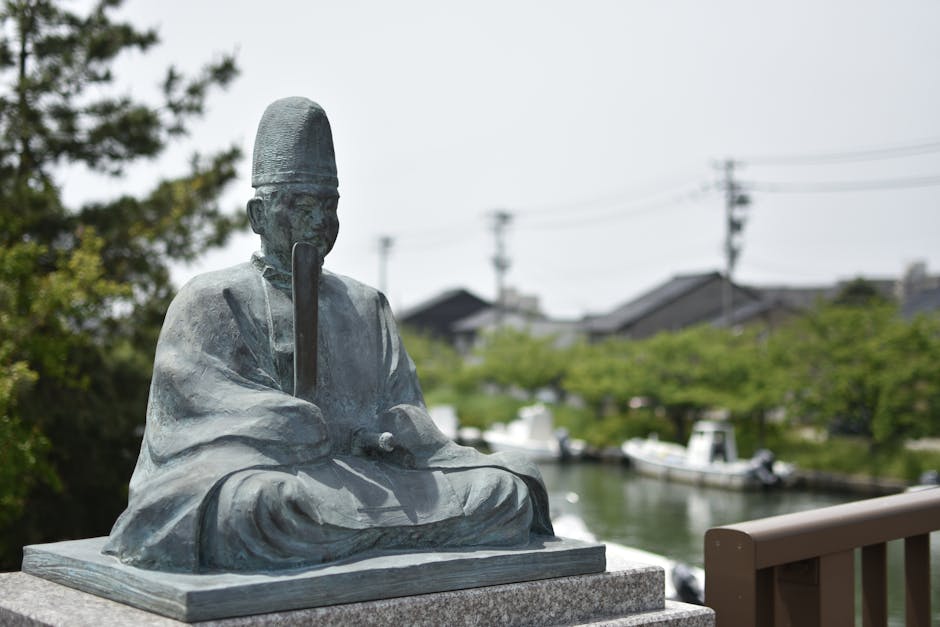
Owara Kaze no Bon
Toyama, Toyama
Toyama's haunting wind festival in the small hillside town of Yatsuo. Dancers in deep straw hats move silently through cobbled lantern-lit streets to mournful kokyu strings. Considered one of Japan's most beautiful festivals by locals — almost no foreign tourists.
🚃 JR Toyama Station + JR Takayama Line to Etchu-Yatsuo Station (~25 min)
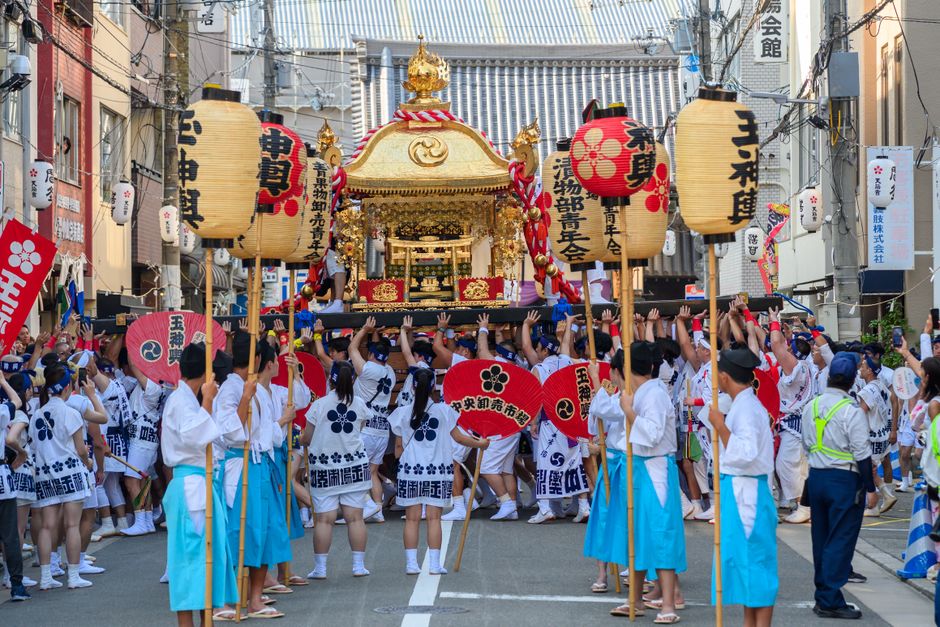
Yosakoi Festival (Kochi)
Kochi, Kochi
Modern, high-energy dance festival born in Kochi in 1954. 200+ teams (each 50–150 dancers) compete in choreographed routines using naruko clappers. Unlike traditional matsuri, costumes are colorful and modern. Shikoku's biggest summer event.
🚃 JR Kochi Station, then 10 min walk to main stages
Jidai Matsuri
Kyoto, Kyoto
One of Kyoto's three great festivals. A 2km procession of ~2,000 costumed participants recreates 1,200 years of Japanese history, moving from Kyoto Imperial Palace to Heian Shrine.
🚃 Marutamachi Station (Karasuma Subway) for start; Higashiyama Station for arrival
Kurama Fire Festival
Kyoto (Kurama), Kyoto
One of Kyoto's most dramatic festivals. Villagers carry massive torches — some 5m tall — through the mountain village of Kurama, north of Kyoto. Same night as Jidai Matsuri.
🚃 Kurama Station (Eizan Railway from Demachiyanagi) — expect crowded return trains after event
Nagasaki Kunchi
Nagasaki, Nagasaki
A 400-year-old festival at Suwa Shrine mixing Japanese, Chinese, and Dutch influences from Nagasaki's trading past. Dragon dances, decorated floats, and neighborhood performances that rotate every 7 years.
🚃 Suwa Jinja tram stop (Nagasaki Electric Tramway)
Karatsu Kunchi
Karatsu, Saga
Karatsu's grand autumn festival with 14 elaborate, lacquered floats (hikiyama) — some over 5m tall — pulled through the town. UNESCO-registered as Intangible Cultural Heritage.
🚃 Karatsu Station (JR Karatsu Line from Fukuoka, ~80 min)
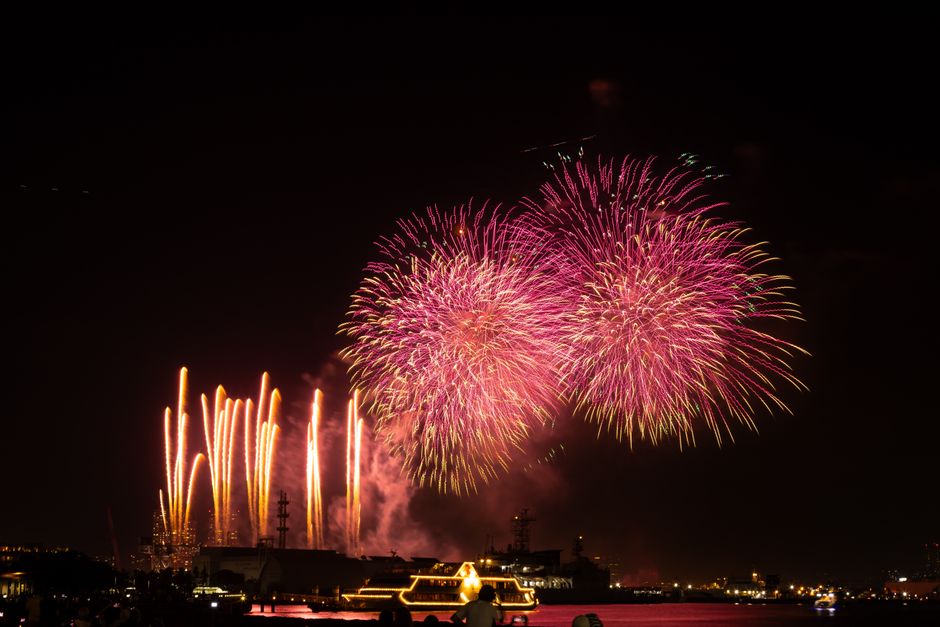
Chichibu Night Festival
Chichibu, Saitama
Japan's top 3 float festivals, alongside Gion and Takayama. Massive lantern-decorated floats and huge winter fireworks light up the town at night. UNESCO-registered.
🚃 Seibu-Chichibu Station (Seibu Line from Ikebukuro, ~80 min)
Hatsumode at Meiji Jingu
Tokyo, Tokyo
Japan's largest first shrine visit — 3 million people visit Meiji Jingu during the first three days of the new year to pray for good fortune. Amazake, omikuji, and lantern-lit forest paths.
🚃 JR Harajuku Station (Yamanote Line) — 1 min walk

Setsubun at Sensoji Temple
Tokyo, Tokyo
Bean-throwing ceremony marking the start of spring. Actors and celebrities scatter roasted soybeans and lucky charms from the main hall. 'Oni wa soto, fuku wa uchi' — demons out, fortune in.
🚃 Asakusa Station (Ginza Line / Toei Asakusa Line) — 5 min walk
Sanno Matsuri (Hie Shrine)
Tokyo, Tokyo
One of Edo's three great festivals along with Kanda and Fukagawa. The 300-meter grand procession from Hie Shrine winds through Akasaka, Roppongi, and Marunouchi in odd-numbered years.
🚃 Tameike-Sanno Station (Nanboku / Ginza Line) — 3 min walk
Tori-no-Ichi Rooster Market
Tokyo, Tokyo
Businesspeople and shopkeepers flock to Otori Shrine on the Rooster days of November to buy elaborate 'kumade' (bamboo rakes decorated with lucky charms) for the coming year's prosperity.
🚃 Iriya Station (Hibiya Line) — 8 min walk to Otori Shrine
Hagoita-ichi Battledore Market (Sensoji)
Tokyo, Tokyo
Year-end market where 50+ vendors sell decorated hagoita paddles depicting kabuki actors and current celebrities. A 400-year Edo tradition still going strong.
🚃 Asakusa Station (Ginza Line / Toei Asakusa Line) — 5 min walk
Toka Ebisu (Kyoto Ebisu Shrine)
Kyoto, Kyoto
Five-day festival praying for business prosperity at Kyoto Ebisu Shrine in Higashiyama. Bamboo branches decorated with lucky charms are sold to shopkeepers and locals.
🚃 Gion-Shijo Station (Keihan Line) — 6 min walk
Setsubun at Yoshida Shrine (Kyoto)
Kyoto, Kyoto
One of Japan's largest Setsubun festivals, drawing 500,000 people over three days. Highlight is the 'oni yarai' ritual on the eve when demons are chased from the shrine grounds with fire and drums.
🚃 Bus 206 from Kyoto Station to Kyodai-Seimon-mae — 5 min walk
Aoi Matsuri (Kyoto)
Kyoto, Kyoto
One of Kyoto's three great festivals, dating to the 6th century. A 500-strong Heian-era procession in imperial court dress walks 8 km from the Imperial Palace to Kamigamo Shrine through the streets.
🚃 Imadegawa Station (Karasuma Line) for start; Kamigamo Shrine by bus
Zuiki Matsuri (Kitano Tenmangu)
Kyoto, Kyoto
Autumn harvest festival at Kitano Tenmangu where the mikoshi shrine is decorated entirely with seasonal vegetables including the namesake 'zuiki' (taro stems). A rare vegetable-themed festival with 1,000-year roots.
🚃 Kitano-Tenmangu-mae bus stop (from Kyoto Station, bus 50 or 101)
Toka Ebisu (Imamiya Ebisu, Osaka)
Osaka, Osaka
Japan's largest Ebisu festival — 1 million people visit Imamiya Ebisu Shrine over three days to pray for business prosperity and receive fukusasa (lucky bamboo) blessings from ceremonial maidens.
🚃 Imamiya-Ebisu Station (Nankai Koya Line) — 1 min walk
Kishiwada Danjiri Matsuri
Kishiwada, Osaka, Osaka
One of Japan's most dangerous festivals — 4-ton wooden 'danjiri' floats are pulled through Kishiwada streets at full speed while acrobats stand on top. Serious accidents happen most years. Utterly thrilling to watch.
🚃 Kishiwada Station (Nankai Line from Namba, 25 min)
YOSAKOI Soran Festival (Sapporo)
Sapporo, Hokkaido
Modern dance festival that draws 27,000 dancers in 270+ teams from around Japan to Sapporo's Odori Park. Choreography combines traditional 'naruko' clappers with pop, rock, and street dance.
🚃 Odori Station (subway) — main venue at Odori Park
Sapporo Autumn Fest
Sapporo, Hokkaido
Hokkaido's biggest food festival takes over Odori Park for three weeks. 200+ vendors serve Hokkaido specialties: uni, crab, jingisukan, corn, cheese, ramen, sake — all in one place.
🚃 Odori Station (subway) — Odori Park
Hakata Gion Yamakasa (Fukuoka)
Fukuoka, Fukuoka
770-year-old race festival culminating in a pre-dawn 5 km sprint on July 15 where seven teams carry 1-ton floats through Hakata streets. UNESCO Intangible Cultural Heritage.
🚃 Gion Station (Kuko Line subway) — 3 min walk to Kushida Shrine
Nagoya Matsuri
Nagoya, Aichi
The city's flagship festival featuring a grand procession portraying the three Owari-Aichi warriors — Nobunaga, Hideyoshi, and Ieyasu — with 700+ costumed performers marching through central Nagoya.
🚃 Sakae or Yaba-cho Station (Higashiyama / Meijo Line)
Hiroshima Peace Memorial Ceremony
Hiroshima, Hiroshima
Solemn annual ceremony at Hiroshima Peace Memorial Park marking the atomic bombing (1945). Bell rings at 8:15 AM. Evening lantern-floating ceremony on the Motoyasu River — 10,000 lanterns for the dead.
🚃 Genbaku Dome-mae streetcar stop — Peace Memorial Park
Plan your matsuri trip
Find hotels near top venues
- ✓ Free cancellation on most rooms
- ✓ Compare 28M+ properties
- ✓ No booking fees
⏰ Prices update daily — book early for peak dates
Affiliate link — we may earn a commission at no extra cost to you.
Browse festival & cultural tours
- ✓ Skip-the-line e-tickets
- ✓ Mobile voucher, no printing
- ✓ Free cancellation up to 24h
⏰ Popular tours sell out 1-2 weeks ahead
Affiliate link — we may earn a commission at no extra cost to you.
Check Japan Rail Pass prices
- ✓ 7, 14, 21-day pass options
- ✓ Activate within 1 year
- ✓ Free shipping worldwide
⏰ Cheaper online than at Japanese stations
Affiliate link — we may earn a commission at no extra cost to you.