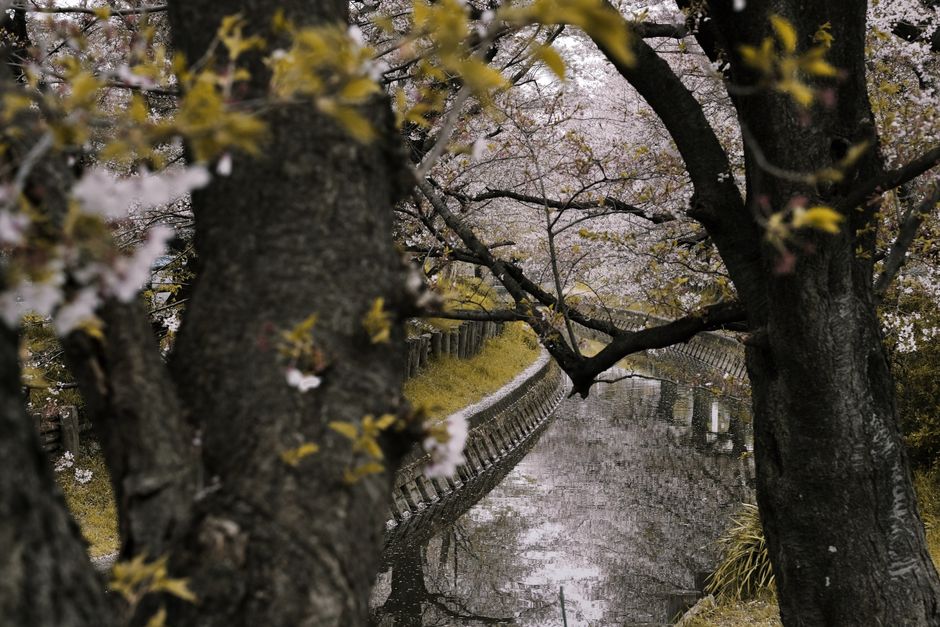
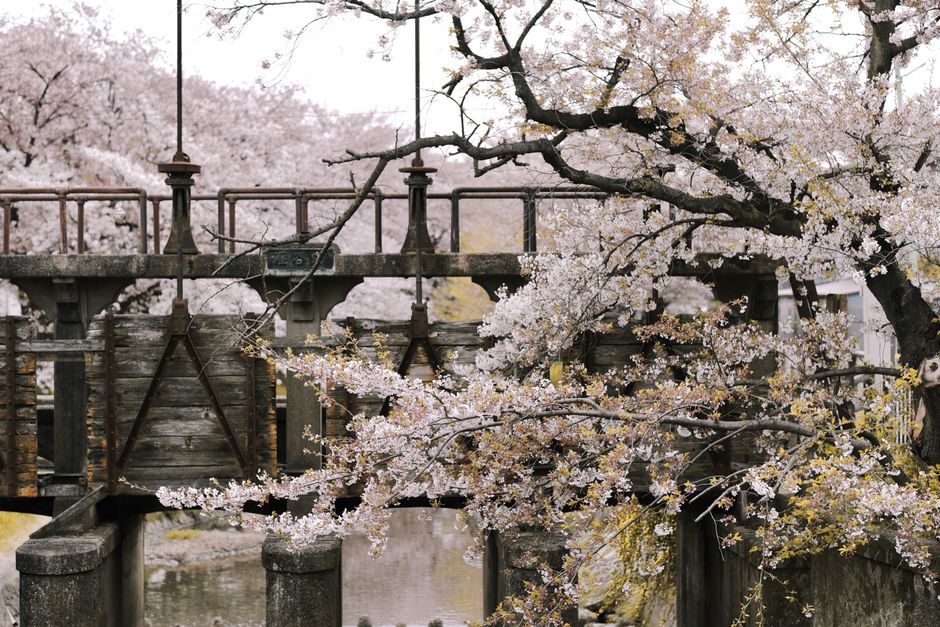
First Time in Japan: Complete Trip Planning Guide (2026)
2026-05-05 · 14 min read
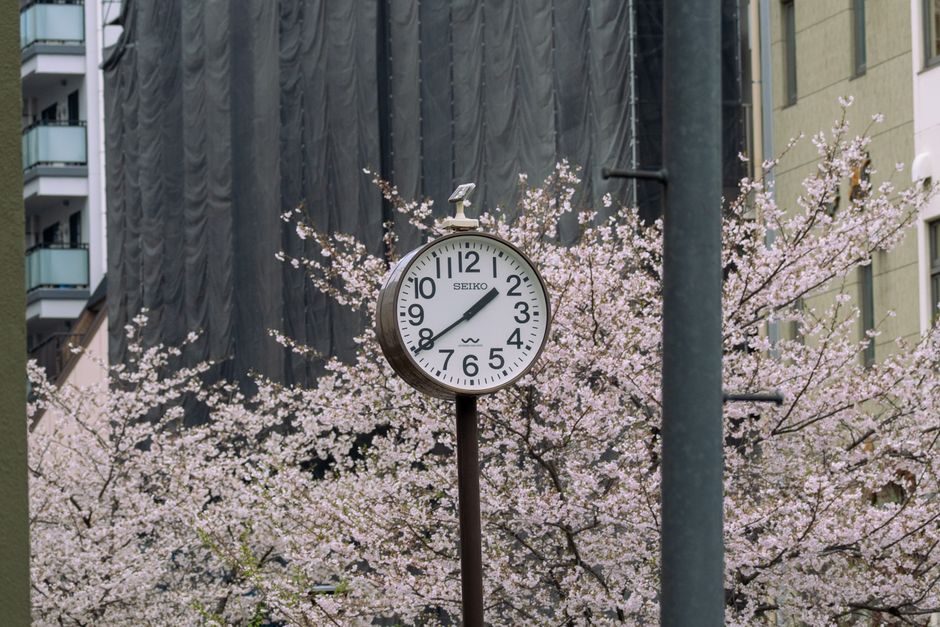
Everything a first-timer needs to plan a Japan trip in 2026 — timing, routes, budget and transport.
Japan is easier to travel than most first-timers expect — efficient transit, low crime, and incredibly polite people. But there ARE non-obvious rules. Here's the complete 2026 plan a first-timer actually needs.
💡Last content review: September 2026
Prices, dates, and opening hours compiled from official operator websites and Japanese-language public sources.
Quick facts: First-time Japan trip 2026
| What | Detail | Book |
|---|---|---|
| Best months | Late March – mid-April (sakura), late Oct – Nov (foliage) | 🏨 Book |
| Worst months | Mid-Aug (typhoons + crowds), Golden Week May 3–6 | 🏨 Book |
| Trip length sweet spot | 10–14 days for first-timers | 🏨 Book |
| Daily budget (mid-range) | $120–180 per person per day | 🏨 Book |
| Hotel booking window | 3–6 months ahead for spring/autumn | 🏨 Book |
| Best airports | Tokyo Haneda (HND) or Kansai (KIX) — skip Narita if possible | 🏨 Book |
| Cash needed | ¥20,000–30,000 minimum on arrival | 🏨 Book |
| Visa | Most countries: free 90-day on arrival | 🏨 Book |
⚡Book hotels 3-6 months ahead for spring/autumn
First-timers usually pick sakura or koyo season — the worst 2 windows to book late. Anchor your budget with current rates: Tokyo →PR · Kyoto →PR · Osaka →PR
🎯First-timer essentials on Klook (skip airport lines)
Buy these before your flight to save 45+ min at Narita/Haneda: Japan eSIM →PR (¥1,500/10GB) + Narita Express or Skyliner →PR (pre-purchased ticket, walk straight to platform)
When to go to Japan (by month)
Japan has 4 distinct seasons with very different vibes, prices, and crowd levels. Here's the honest month-by-month breakdown:
| Month | Weather | Crowds | Highlight |
|---|---|---|---|
| January | Cold, dry, sunny in Tokyo / snow in north | Low (post-NY) | Snow festivals, illuminations, deals |
| February | Coldest; ski peak | Low–med | Sapporo Snow Festival, plum blossoms |
| March | Cool→warm; sakura mid-month | Med→high end-month | Cherry blossoms start |
| April | Mild, sakura peak | PEAK + Golden Week end | Cherry blossom mankai |
| May | Pleasant; Golden Week May 3–6 | High during GW, then drop | Wisteria, fresh greens |
| June | Rainy season (tsuyu) | Low | Hydrangeas, fewer tourists, cheaper |
| July | Hot, humid; festivals start | Med | Gion Matsuri, summer festivals |
| August | Hottest + typhoons; Obon Aug 13–16 | High during Obon | Fireworks (hanabi) |
| September | Hot, typhoons taper | Low | Tsukimi (moon-viewing), fall food |
| October | Cool, dry, perfect | Med | Early foliage in north |
| November | Peak autumn colors | High | Koyo in Kyoto/Tokyo |
| December | Cold, dry, Christmas | Low until late month | Illuminations, year-end sales |
The classic first-timer routes (3 options)
Don't try to see all of Japan in 10 days. Pick a route that matches your interests:
Option A: Golden Route (10–14 days, recommended)
- ●TokyoPR (4 days) — Asakusa, Shibuya, Harajuku, day trip to Hakone or Nikko
- ●HakonePR (1 night, optional) — ryokan + onsen + Mt. Fuji views
- ●KyotoPR (3 days) — Fushimi Inari, Kiyomizu, Arashiyama, Gion
- ●Nara (day trip from KyotoPR) — deer + Todai-ji
- ●OsakaPR (2 days) — Dotonbori, castle, day trip to Hiroshima/Miyajima
- ●Optional: HiroshimaPR + Miyajima (1 night) — peace park + torii gate
Option B: Tokyo Deep Dive (7 days, easier)
- ●TokyoPR (5 days) — explore neighborhoods + 2 day trips
- ●Day trip 1: KamakuraPR (great Buddha + temples)
- ●Day trip 2: NikkoPR (UNESCO shrines, Edo Wonderland)
- ●Day trip 3: HakonePR or Mt. Fuji (Kawaguchiko)
- ●Best for: short trips, slow travel, less luggage drag
Option C: Off the beaten path (14+ days)
- ●Tokyo (2 days) — just arrive and unwind
- ●Takayama + Shirakawa-go (3 days) — old town + thatched roof village
- ●KanazawaPR (2 days) — Kenroku-en garden, samurai district
- ●Kyoto (3 days) — temples
- ●Naoshima (2 days) — art island
- ●Hiroshima + Miyajima (2 days)
- ●Skip if: it's your first trip — too much logistics
Budget snapshot (per person, per day)
Japan can be done on $50/day backpacker or $500/day luxury. Most first-timers land in the $120–180/day mid-range zone:
| Category | Budget | Mid-range | Premium | Book |
|---|---|---|---|---|
| Hotel (per person) | ¥4,000–8,000 | ¥12,000–25,000 | ¥50,000+ | 🏨 Book |
| Breakfast | ¥500–1,000 | ¥1,500 | ¥3,000+ | 🏨 Book |
| Lunch | ¥800–1,500 | ¥2,000 | ¥5,000+ | 🏨 Book |
| Dinner | ¥1,000–2,000 | ¥3,500 | ¥15,000+ | 🏨 Book |
| Transport (local) | ¥800–1,500 | ¥1,500 | ¥3,000+ | 🏨 Book |
| Attractions | ¥500–1,500 | ¥1,500 | ¥5,000+ | 🏨 Book |
| Daily total | ¥8,000–16,000 | ¥22,000–35,000 | ¥80,000+ | 🏨 Book |
| USD equiv (¥150/$) | $53–107 | $147–233 | $533+ | 🏨 Book |
Flights & airports
Big tip most first-timers miss: prioritize Haneda (HND) over Narita (NRT). Haneda is 30 min to central TokyoPR. Narita is 60–90 min plus expensive train fare.
- ●TokyoPR Haneda (HND): closer, costs ~$50 more for flight but saves $30+ in transport + 1h time
- ●TokyoPR Narita (NRT): cheapest flights but far
- ●Osaka Kansai (KIX): if you want to start in Kansai (KyotoPR/Osaka)
- ●Open jaw: Fly INTO TokyoPR, OUT of Osaka (no backtrack)
- ●Best time to book: 4–6 months out for spring; 2–3 months for off-peak
Where to stay (by city + neighborhood)
- ●TokyoPR: Shinjuku (transit hub), Shibuya (energy), Ueno/Asakusa (traditional, cheaper)
- ●KyotoPR: Kyoto Station area (transit), Gion (atmosphere, pricier), Arashiyama (peaceful)
- ●OsakaPR: Namba (food + nightlife), Umeda (shopping), Shin-Osaka (shinkansen connections)
- ●Skip: cheap business hotels in Roppongi (nightlife district, not great for sleep)
- ●Booking tip: Book 3–6 months ahead for spring/autumn; non-refundable rates are 20% cheaper if you're sure
Find hotels for your route
- ✓ Free cancellation on most rooms
- ✓ Compare 28M+ properties
- ✓ No booking fees
⏰ Prices update daily — book early for peak dates
Affiliate link — we may earn a commission at no extra cost to you.
Transport basics
Japan's transit is the best in the world but has quirks. Here's what you actually need:
- ●Suica or ICOCA IC card: tap to ride trains, buses, vending machines. Load from Apple Wallet (iPhone) or buy physical card on arrival.
- ●Google Maps works perfectly for transit (better than local apps).
- ●Shinkansen between cities: reserve seats during peak season (Hyperdia or smartEX app).
- ●JR PassPR: only worth it if doing 2+ long routes. We have a separate analysis.
- ●Taxis: 2–3x more than US/UK, but clean and safe. Use GO app.
- ●Rental car: skip in cities, useful only for remote areas (Hokkaido, Okinawa, Shikoku).
Check Japan Rail Pass prices
- ✓ 7, 14, 21-day pass options
- ✓ Activate within 1 year
- ✓ Free shipping worldwide
⏰ Cheaper online than at Japanese stations
Affiliate link — we may earn a commission at no extra cost to you.
Booking tours and experiences
Most things you can DIY, but some experiencePRs are tour-only or much better with a guide:
- ●Robot Restaurant / themed dinners — pre-book online
- ●Tea ceremony in KyotoPR — book a small-group session (¥3,500–8,000)
- ●Mt. Fuji day trip from TokyoPR — easier with guide (¥10,000–15,000)
- ●Tsukiji / Toyosu fish market tourPR — early morning, guide helps with navigation
- ●Sumo morning practice (TokyoPR) — must be guided (¥10,000–15,000)
Browse first-timer Japan tours
- ✓ Skip-the-line e-tickets
- ✓ Mobile voucher, no printing
- ✓ Free cancellation up to 24h
⏰ Popular tours sell out 1-2 weeks ahead
Affiliate link — we may earn a commission at no extra cost to you.
Money & payments
Japan is still surprisingly cash-heavy. Here's the survival kit:
- ●Carry ¥20,000–30,000 cash always — small restaurants, temple entries, taxis in rural areas are cash-only
- ●ATMs: 7-Eleven (24h, accepts foreign cards) and Japan Post Bank are your friends
- ●Credit cards: accepted at hotels, chain stores, big restaurants — not always at family-run places
- ●Apple Pay / Google Pay: works wherever credit cards do, plus Suica integration
- ●Tipping: NEVER tip. It's considered rude. Even taxi drivers will chase you to return change.
- ●ATM fee: 220 JPY per withdrawal at 7-Eleven — withdraw bigger amounts less often
Etiquette: 20 rules to avoid embarrassment
- ●Bow slightly when greeting/thanking (small nod is fine, no need to deep-bow)
- ●Remove shoes at: ryokan, traditional restaurants, temples (often), changing rooms — watch for the genkan step
- ●Don't eat or drink while walking (vending machines are an exception — drink near the machine)
- ●Don't talk loudly on trains; absolutely NO phone calls
- ●Stand on the LEFT side of escalators in TokyoPR, RIGHT in Osaka (yes, really)
- ●Don't blow your nose loudly in public — go to the bathroom
- ●Wear a mask if you have a cold or cough (post-COVID Japan is even stricter)
- ●Don't tip — it's offensive
- ●Carry trash with you — public bins are rare
- ●Don't point with chopsticks; don't stick them upright in rice (funeral symbol)
- ●Don't pass food chopstick-to-chopstick (funeral ritual)
- ●Slurp ramen/soba/udon — it's a compliment, not rude
- ●In onsen: shower BEFORE entering, no swimsuits, tattoos may be banned at traditional onsen
- ●At temples/shrines: bow at the gate, purify hands at fountain, don't cross the center of the path
- ●At restaurants: say 'Itadakimasu' before eating, 'Gochisousama' after
- ●Take pictures of menus, not just food — staff will help with translation
- ●Wait to be seated; don't seat yourself unless it's a counter ramen joint
- ●Pay at the cashier on the way out at most restaurants (not at the table)
- ●Don't enter a home without the host saying 'douzo' (please enter)
- ●Quiet appreciation > loud excitement at temples and gardens
Phone, internet & translation
- ●eSIM: easiest option. Airalo or Ubigi from $15 for 5GB, install before flightPR, activates on landing
- ●Pocket WiFiPR: rental for groups of 2–4 sharing (¥800/day)
- ●Free WiFi: 7-Eleven, Starbucks, train stations have free WiFi but it's spotty
- ●Apps: Google Translate (camera mode for menus is godly), Maps, Suica/ICOCA, GO (taxi), TableLog (restaurant reviews in English)
Packing checklist
- ●Comfortable walking shoes (you'll walk 15,000–25,000 steps/day)
- ●Slip-on shoes for ryokan/temple visits
- ●Layered clothing (Japan has microclimates and indoor heating is intense)
- ●Mini towel/handkerchief (public bathrooms rarely have paper towels)
- ●Pocket trash bag (no public bins)
- ●Power adapter: Japan uses 2-prong Type A (same as US), 100V
- ●Cash wallet (separate from cards) for daily cash use
- ●Reusable shopping bag (stores charge for plastic bags)
- ●Antiperspirant (Japanese ones are very mild)
- ●Any medication you regularly take (Japan strict on some OTC drugs)
FAQ
- ●Is English enough? In cities yes, with Google Translate. Rural areas — fewer English speakers.
- ●How far ahead to book? Hotels 3–6 months for spring/autumn, 1–2 months for off-peak.
- ●Pocket WiFiPR or eSIM? eSIM is easier and cheaper for most. Pocket WiFi if you have 3+ people sharing.
- ●Is Japan expensive? Mid-range yes ($150–200/day), but cheaper than Western Europe at the high end.
- ●Best first city? TokyoPR for energy, Kyoto for tradition. Most do Tokyo first.
- ●Safety? One of the safest countries in the world. Wallets get returned. Solo female travel is fine.
- ●Cash or card? Both. Always carry ¥20,000+ cash.
- ●Tipping? NO. Never. It's actively rude.
- ●Tap water safe? Yes, completely. Skip bottled water.
- ●Voltage / plugs? Same as US (2-prong, 100V). UK/EU travelers need an adapter.
- ●Best Japan-specific app? Google Translate (camera mode for menus).
- ●Vegetarian / vegan? Harder than you think. Many soups have dashi (fish). Apps: HappyCow.
Final tips
Don't over-pack the itinerary — Japan rewards slow travel. Book peak-season lodging early. Keep one flexible day per city. Bring an extra duffel bag for souvenirs. And accept that you can't see all of Japan in one trip — pick what excites you most, and save the rest for the return visit you'll definitely want to make.
Best guided tours for first-timersUSA → Japan 2026 trip guideTaiwan → Japan 2026 trip guide🛠️ Free travel tools
Interactive tools built by us — no signup, no ads.
🎯 For readers of this guide
Get your JR Pass
Cheapest online — delivered to your door before you fly.
- ✓ 7/14/21-day options
- ✓ Free shipping worldwide
- ✓ Activate within 1 year
Affiliate link — no extra cost to you
📚 Related guides
Narita to Tokyo 2026: Cheapest Route Compared (Skyliner, NEX, Bus, Local)
Local trains from Narita to Tokyo cost ¥1,340 — cheaper than Skyliner (¥2,570) or N'EX (¥3,070). But is the ¥1,200 saving worth 40 extra minutes and a train change? Full 2026 comparison.

Is the Japan Rail Pass Worth It for a Cherry Blossom Trip?
A clear cost breakdown: when the Japan Rail Pass saves money on a sakura trip in 2026 — and when it doesn't.
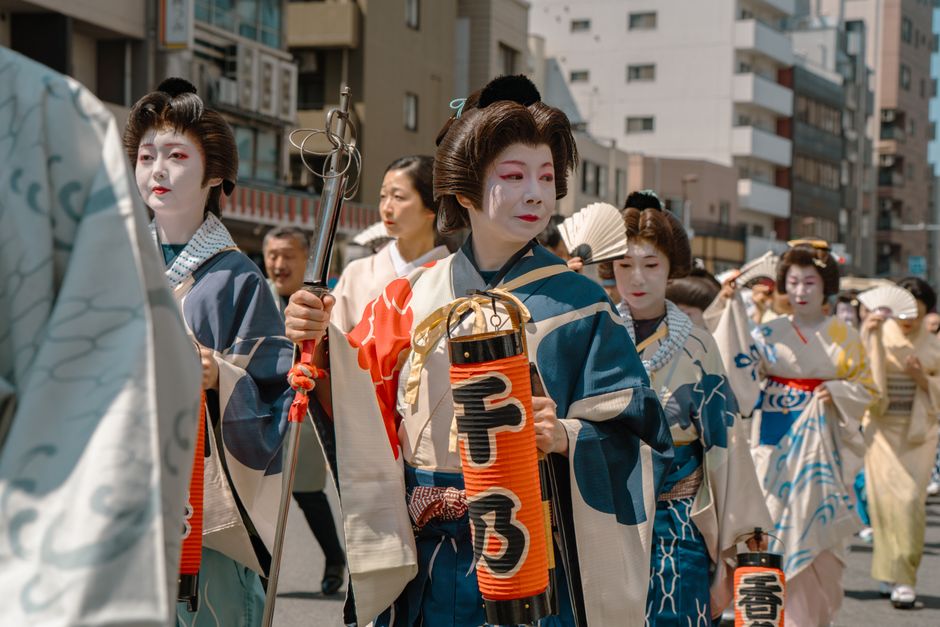
Obon 2026: Should You Travel Japan During Obon Week? (Aug 13-16)
Obon = Japan's biggest domestic holiday. Trains sell out, hotels 2-3x normal price. Here's how to travel Japan during Obon week 2026 without regret.
Cheapest Flights to Japan 2026: Complete Booking Strategy (LCC vs Legacy, Best Search Tools)
Cheapest way to fly to Japan 2026. Compare LCCs (Peach, Jetstar, Scoot) vs legacy (JAL, ANA). Airport strategy (NRT/HND/KIX), booking timing, LCC luggage traps, best search tools.
💬Helped you? Share it
📮Got feedback?
Spot an error, missing info, or have a suggestion? We read every message.
Send feedback →