Best Tokyo Sushi Under ¥5,000 in 2026: 12 Essential Shops
2026-08-16· Updated 2026-09-11 · 3 min read
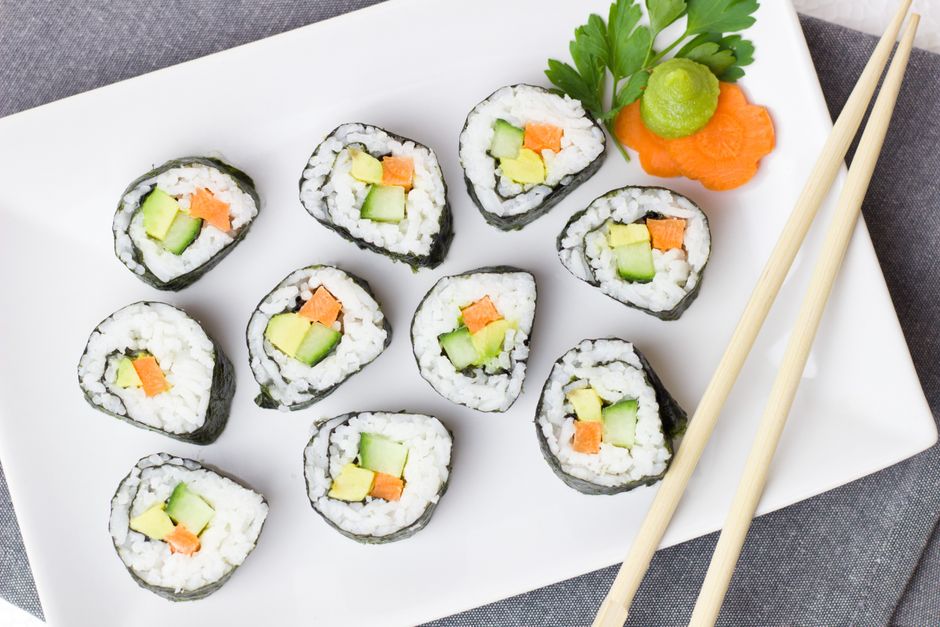
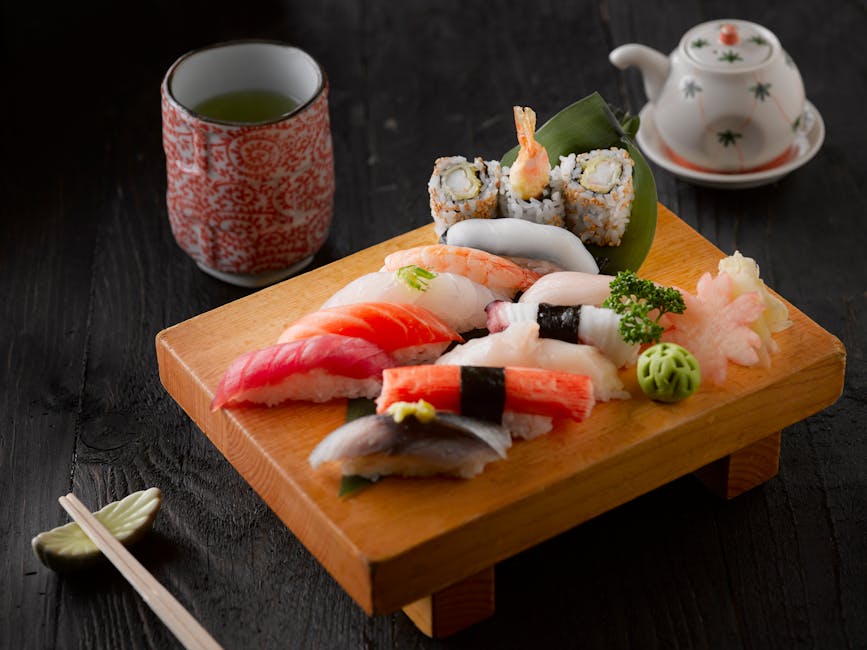
Tokyo has Michelin sushi at ¥50,000+ and conveyor belt at ¥1,000. This 2026 guide covers the middle sweet spot — 12 legendary shops all under ¥5,000/meal.
The best Tokyo sushi isn't necessarily at Sukiyabashi Jiro. These 12 shops under ¥5,000 deliver quality that would cost 3-5x in New York or London.
💡Last content review: September 2026
Prices, dates, and opening hours compiled from official operator websites and Japanese-language public sources.
12 essential Tokyo sushi shops (all under ¥5,000)
| # | Shop | Neighborhood | Style | Avg Price | Book |
|---|---|---|---|---|---|
| 1 | Sushi Zanmai Tsukiji | Tsukiji Outer Market | Standard shop, breakfast sushi | ¥3,000 | 🏨 Book |
| 2 | Standing Sushi Uogashi | Ginza / Shibuya | Standing counter, quick | ¥2,500 | 🏨 Book |
| 3 | Numazuko | Multiple locations | Kaiten (conveyor) | ¥2,500 | 🏨 Book |
| 4 | Sushi Sei | Multiple locations | Chef's counter | ¥4,500 | 🏨 Book |
| 5 | Kanesaka Standing Bar | Ginza | Michelin-adjacent standing bar | ¥3,500 | 🏨 Book |
| 6 | Genki Sushi | Multiple locations | Kaiten with train delivery | ¥1,500 | 🏨 Book |
| 7 | Uosen (Ueno) | Ueno market | Old-school Edomae | ¥4,500 | 🏨 Book |
| 8 | Kyubey Cheap Lunch | Ginza | Michelin star lunch course | ¥4,000 | 🏨 Book |
| 9 | Sushiro (chain) | Multiple locations | Kaiten, best value chain | ¥1,200 | 🏨 Book |
| 10 | Nihon Rikyu | Shibuya | Standing counter | ¥3,000 | 🏨 Book |
| 11 | Umegaoka Sushi no Midori | Multiple locations | Big-portion nigiri | ¥3,500 | 🏨 Book |
| 12 | Tsukiji Aozora Sandaime | Tsukiji | Chef's counter, morning-only | ¥4,000 | 🏨 Book |
🎯Best-value pick: Kyubey lunch
Kyubey is a MICHELIN STAR shop where dinner is ¥25,000+. Their lunch course at ¥4,000-4,500 is the same chef, same quality, ~90% the courses. Book ahead 2-4 weeks.
How to order like a local
- ●Chef's omakase: 'omakase de' = leave it up to the chef. Best-value at counter shops
- ●Point at the case: fine to just point at fish and say the count (2 pieces = 'ni-kan')
- ●Order in pairs: nigiri comes in 2s traditionally
- ●Wasabi is inside: don't add wasabi to soy sauce; the chef put the right amount
- ●Eat immediately: nigiri should hit your mouth within 30 seconds
- ●Dip fish, not rice: turn upside down, dip fish side into soy
- ●Ginger (gari) between fish: palate cleanser, not topping
What to try (in order for first-timers)
- ●Salmon (sake) — universally loved, safe start
- ●Tuna medium (chutoro) — fatty but not overwhelming
- ●Yellowtail (hamachi) — buttery, mild
- ●Squid (ika) — chewy, subtle
- ●Sea urchin (uni) — polarizing but the good stuff is transcendent
- ●Fatty tuna belly (otoro) — the luxury cut, ¥800-1,500/piece
- ●Egg (tamago) — traditional finale, sweet
Where to stay for max sushi
Tsukiji area has the highest concentration of legendary sushi shops with the freshest fish (Toyosu market moved from Tsukiji but Outer Market still active). Alternatively, Ginza has the most Michelin shops. Both are subway-accessible from central TokyoPR hotels.
Frequently asked questions
What is a reasonable budget?
A full-service meal at a popular ramen shop costs ¥900–¥1,500; a casual sushi lunch runs ¥1,500–¥3,000; mid-range dinner at an izakaya averages ¥3,000–¥5,000 per person including drinks. Michelin-listed sushi or kaiseki in TokyoPR and Kyoto can start from ¥15,000 at lunch and climb past ¥30,000 for dinner tasting menus. Convenience-store meals (¥400–¥700) and standing-bar yakitori (¥2,000–¥3,000) stretch budgets without sacrificing quality.
Are reservations required?
High-end restaurants, especially Michelin-rated and chef-forward counter spots, typically require reservations 2–4 weeks in advance; the most sought-after sushi counters book months out. Casual ramen, curry, and standing bars generally do not take reservations and operate on walk-in queues of 15–45 minutes at peak hours. Platforms like Tabelog, Pocket Concierge, and TableCheck handle most online bookings; some venues still require a Japanese-speaking caller or hotel concierge intermediary.
Are English menus available?
In central TokyoPR, Kyoto, and Osaka, roughly 70% of tourist-area restaurants now offer English menus, picture menus, or tablet-based ordering with English support. Smaller cities and residential neighbourhoods are more variable — Google Translate camera mode handles about 90% of printed menus adequately. Allergies and dietary restrictions are harder to communicate reliably; a printed restriction card in Japanese is strongly recommended for anyone with serious allergies.
What is the best time of day to go?
Lunch sets (teishoku) offer the best value, typically running 30–50% less than the same restaurant's dinner menu while serving nearly identical dishes. Peak dinner service (7–9 PM) carries the longest queues; an earlier 5:30 PM arrival or late 9 PM sitting at izakaya skips the worst waits. Breakfasts in Japan are hotel-dominated — most independent restaurants only open from 11 AM, with a few notable coffee shop and bakery exceptions.
Are dietary restrictions handled well?
Japan's food scene is improving on dietary accommodation but is still less mature than Western cities. Vegetarian and vegan travellers can rely on dedicated apps (HappyCow), shojin-ryori temple restaurants, and a growing list of vegan ramen shops, but should expect fewer options in traditional sushi, izakaya, and ramen contexts. Dashi (fish stock) hides in many "vegetable" dishes. Severe allergies warrant a bilingual allergy card; many restaurants will adapt dishes when asked clearly in advance.
Book Ginza hotels (sushi central)
- ✓ Free cancellation on most rooms
- ✓ Compare 28M+ properties
- ✓ No booking fees
⏰ Prices update daily — book early for peak dates
Affiliate link — we may earn a commission at no extra cost to you.
Book Tsukiji sushi-making tour (Klook)
- ✓ Skip-the-line e-tickets
- ✓ Mobile voucher, no printing
- ✓ Free cancellation up to 24h
⏰ Popular tours sell out 1-2 weeks ahead
Affiliate link — we may earn a commission at no extra cost to you.
🛠️ Free travel tools
Interactive tools built by us — no signup, no ads.
🎯 For readers of this guide
Book your experience
Top-rated tours in Tokyo with instant e-vouchers.
- ✓ Instant confirmation
- ✓ Free cancellation 24h
- ✓ Mobile voucher
Affiliate link — no extra cost to you
📚 Related guides
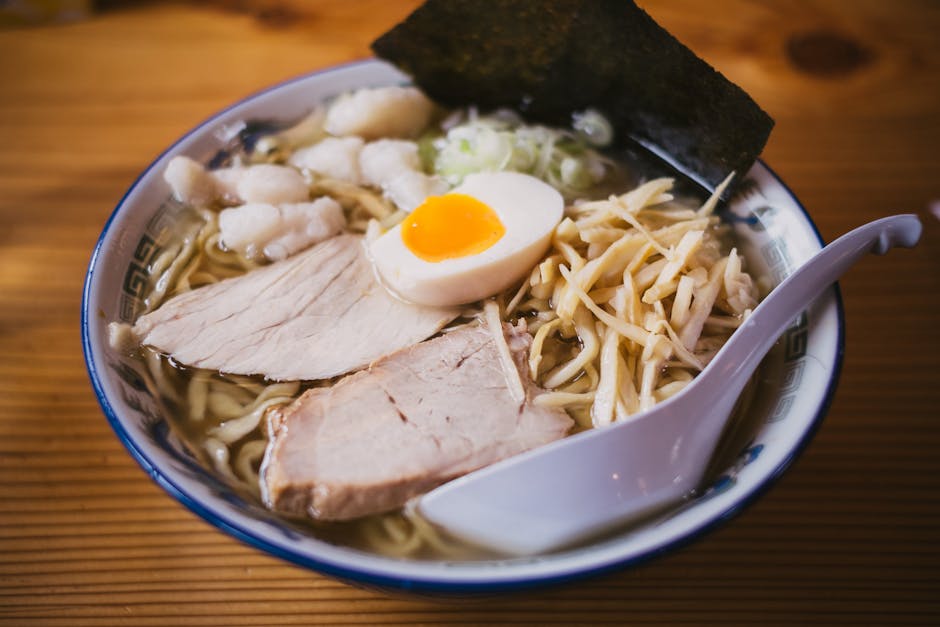
Tokyo Ramen 2026: 15 Legendary Bowls Worth the Wait
Tokyo has 10,000+ ramen shops but only a few dozen are truly legendary. This is the 2026 list of 15 must-visits, ranked by taste vs. wait time so you don't burn 3 hours for a mediocre bowl.

Osaka Street Food Guide 2026: 20 Must-Eat B-Grade Gourmet Foods
Osaka's motto is 'kuidaore' (eat until you drop). Here's the 2026 guide to 20 essential street foods with exact shops and prices — takoyaki, kushikatsu, okonomiyaki, more.
Kaiten (Conveyor Belt) Sushi Japan 2026: Best Chains, Prices, Ordering Guide
Kaiten sushi is Japan at its cheapest-fun-best — ¥100/plate, tablet ordering, sushi arrives by mini bullet train. Here's the 2026 chain ranking + ordering guide.

Japan Ramen Guide 2026: 8 Regional Styles + Where to Eat Each
Japan's ramen scene has 8 distinct regional styles — Sapporo miso, Hakata tonkotsu, Tokyo shoyu, and more. Complete guide with where to eat each.
💬Helped you? Share it
📮Got feedback?
Spot an error, missing info, or have a suggestion? We read every message.
Send feedback →