Japan Ramen Guide 2026: 8 Regional Styles + Where to Eat Each
2026-07-11 · 12 min read

Japan's ramen scene has 8 distinct regional styles — Sapporo miso, Hakata tonkotsu, Tokyo shoyu, and more. Complete guide with where to eat each.
Japan doesn't have 'one ramen' — it has eight regional traditions, each with its own broth, noodle, topping, and cultural identity. This guide covers all 8 styles, where to eat each, what to order, ordering etiquette, and how much to budget.
💡Last content review: February 2024
Prices, dates, and opening hours compiled from official operator websites and Japanese-language public sources.
Quick facts: Japan ramen 2026
| What | Detail | Book |
|---|---|---|
| Total ramen shops in Japan | 35,000+ (about 1 per 3,500 people) | 🏨 Book |
| Price range | ¥700-1,400 (avg ¥950 in Tokyo) | 🏨 Book |
| Michelin-starred ramen shops | 5 (all Tokyo) | 🏨 Book |
| Regional styles | 8 major (this guide's focus) | 🏨 Book |
| Wait time at famous shops | 30-90 min lunch, 20-40 min dinner | 🏨 Book |
| English menus | 60% in Tokyo, 30% elsewhere | 🏨 Book |
| Best ramen city per capita | Kitakata (Fukushima) or Sapporo | 🏨 Book |
| Cheapest broth | Shoyu (¥700-900) | Priciest: Tonkotsu specialty (¥1,300+) | 🏨 Book |
💡Base near ramen districts
Tokyo's Shinjuku hotelsPR put you 10 min from 30+ acclaimed shops. Fukuoka's Hakata hotelsPR are the gold standard for tonkotsu tourism — 40+ shops in a 4-block radius.
Find hotels near Japan's best ramen districts
- ✓ Free cancellation on most rooms
- ✓ Compare 28M+ properties
- ✓ No booking fees
⏰ Prices update daily — book early for peak dates
Affiliate link — we may earn a commission at no extra cost to you.
The 8 regional ramen styles
Ramen is not native to Japan — it arrived from China around 1900. What makes it Japanese is the regional evolution: each area developed a style using local ingredients, climate needs, and taste preferences over 100+ years.
🎯Pro move: solo bar seats over table booking
At famous shops like Ichiran or Tsuta, solo counter seats move 3x faster than table waits. Even if you're two people, ask for separate counter spots — you'll eat 45 min earlier and can compare notes after.
| Style | Region | Broth | Noodle | Signature toppings |
|---|---|---|---|---|
| Sapporo Miso | Hokkaido | Miso-based, rich, warming | Curly thick | Corn, butter, ground pork, bean sprouts |
| Hakata Tonkotsu | Fukuoka | Milky pork bone, cloudy | Straight thin | Chashu, kikurage mushroom, red pickled ginger |
| Tokyo Shoyu | Tokyo | Soy sauce clear brown | Curly medium | Chashu, menma bamboo, nori, egg |
| Kitakata Shoyu | Fukushima | Clear light shoyu | Flat thick curly | Chashu, negi green onions |
| Kyoto Kotteri | Kyoto | Rich chicken + shoyu | Medium straight | Chashu, sprouts, negi, spice |
| Ie-kei | Yokohama | Tonkotsu + shoyu hybrid | Thick straight | Spinach, seaweed, egg, chashu |
| Tsukemen | Tokyo (nationwide) | Concentrated dipping broth | Thick separate | Broth in one bowl, noodles in another |
| Onomichi | Hiroshima | Chicken + seafood + pork lard | Flat medium | Chashu, negi, unique lard globules |
Sapporo Miso Ramen
Born in SapporoPR in the 1950s to combat brutal Hokkaido winters. Miso paste is dissolved into a pork/chicken bone broth, creating something rich enough to sit as a stew. Butter and corn — genuinely local Hokkaido produce — are traditional toppings.
- ●Where to eat: Sumire (Susukino, SapporoPR), Ramen Yokocho alley (16 shops), Menya Yukikaze
- ●Best in: Hokkaido winter (Dec-Feb), when the -10°C weather makes miso indispensable
- ●Order: 'Miso ramen, batter tama-tsuki' (miso with corn butter)
- ●Price: ¥900-1,200
- ●TokyoPR alternative: Sumire has a branch in Ikebukuro
Hakata Tonkotsu Ramen
The style that made ramen famous globally. Pig bones boiled for 12+ hours until the marrow dissolves into a milky, opaque broth. Noodles are famously thin and straight, and shops offer 'kae-dama' — free noodle refills.
- ●Where to eat: Ichiran (chain, Tenjin/Nakasu), Ippudo original store (Daimyo), Shin-Shin (Tenjin)
- ●Best in: Fukuoka's Hakata areaPR — 4-block radius has 40+ shops
- ●Order: Tonkotsu ramen 'kata-men' (firmer noodles); 'kae-dama' to add noodles
- ●Price: ¥800-1,100 (kae-dama ¥100-150 each)
- ●Ichiran gimmick: solo booth, no eye contact, taste customization form
Tokyo Shoyu Ramen
The 'classical' style — clear brown soy-based broth with chicken and pork bones. Restrained by comparison to SapporoPR or Hakata, but the balance is what earns Michelin stars.
- ●Where to eat: Tsuta (Michelin-starred, Sugamo — book online), Nakiryu (Michelin, Minamiotsuka), Ichiryu Honke
- ●Best in: TokyoPR — you can eat 10 different acclaimed shoyu ramen in one week
- ●Order: 'Shoyu ramen, ajitama tsuki' (with soft-boiled egg)
- ●Price: ¥900-1,400 (Michelin ¥1,400-2,000)
- ●Tsuta tip: 08:00 online booking, book 1 month out, arrive at exact appointment time
Book a Tokyo ramen food tour (visit 3-4 shops with local guide)
- ✓ Skip-the-line e-tickets
- ✓ Mobile voucher, no printing
- ✓ Free cancellation up to 24h
⏰ Popular tours sell out 1-2 weeks ahead
Affiliate link — we may earn a commission at no extra cost to you.
Kyoto Kotteri Ramen
Contradicts the 'refined Kyoto cuisine' stereotype. Kyoto ramen is aggressive — rich chicken bone broth with heavy soy and often a layer of chicken oil. Regional pride vs. the more delicate TokyoPR style.
- ●Where to eat: Ichiran (Kawaramachi), Ganko Ippetsu, Menyalab KyotoPR (kotteri specialist), Ippudo Shijo
- ●Order: 'Kotteri ramen' (rich) or 'Assari' (lighter version)
- ●Price: ¥900-1,300
- ●Best time: After Kyoto temple hoppingPR — a rich bowl offsets 8 hours of walking
- ●Local specialty: Add corn and butter (SapporoPR influence)
Yokohama Ie-kei Ramen
Invented 1974 at Yoshimuraya. Combines Hakata's tonkotsu with TokyoPR's shoyu — thick, salty, garlicky, with spinach and nori. Ie-kei (家系) means 'family lineage' — every shop with 'kei' in its name traces back to Yoshimuraya.
- ●Where to eat: Yoshimuraya (Shin-Yokohama), Rokkakuya (Yokohama), Toriya (TokyoPR)
- ●Custom order: broth strength (koime = strong / usume = light), noodle firmness (kata), oil amount (abura ooi = more)
- ●Price: ¥800-1,100
- ●Yokohama base tip: 30 min from TokyoPR Station via Yokosuka Line
- ●Pair with: bowl of rice (free at most Ie-kei shops) to soak up broth
Tsukemen (Dipping Ramen)
Not a regional style but a national obsession. Extra-thick noodles served cold or lukewarm in one bowl; concentrated broth in another. Dip and eat.
- ●Where to eat: Rokurinsha (TokyoPR Station Ramen Street — 40 min wait), Fuunji (Shinjuku), TETSU (Ebisu)
- ●Order: Standard tsukemen; 'atsu-mori' = warmed noodles
- ●Price: ¥1,000-1,400 (¥100-200 more than regular ramen)
- ●Pro tip: Save some broth; ask for 'soup wari' to dilute for drinking at end
- ●Best station for tsukemen crawl: TokyoPR Station Ramen Street (8 shops in one hall)
Ordering ramen: essential Japanese phrases
- ●'X ramen, kudasai' — X ramen please (fill in style)
- ●'Ajitama tsuki' — With soft-boiled egg (+¥100)
- ●'Chashu-men' — Extra pork slices (+¥200-400)
- ●'Kata-men' — Firm noodles (Hakata standard)
- ●'Yawarakai-men' — Soft noodles
- ●'Kae-dama' — Extra noodles (Hakata; ¥100-200 usually)
- ●'Karame' — Extra spice / strong flavor
- ●'Assari / Kotteri' — Light / rich version
⚡Watch the clock: noodles overcook in 10-15 min
Ramen is served hot for a reason — once the noodles sit in broth past 15 minutes, they turn mushy and lose bite. Photograph fast, then eat. This is why solo counter dining is standard: no social lingering.
Ramen etiquette (surprising rules)
- ●Slurping is REQUIRED — no slurping means you're not enjoying it
- ●Finish in 10-15 minutes — the noodles will overcook in the broth
- ●Drinking broth to bottom is a compliment, but you can leave some — no offense
- ●No sharing bowls unless it's a small child; each person orders their own
- ●Don't rearrange toppings unnecessarily — chef arranged them intentionally
- ●Pay via ticketPR machine (shokken-ki) BEFORE sitting at 70% of ramen shops
- ●Solo dining is completely normal — no need to explain
- ●Photos are usually welcome but be quick
Ramen budget guide
| Meal type | Cost | Where | Book |
|---|---|---|---|
| Chain ramen (Ichiran, Ippudo) | ¥890-1,200 | Everywhere | 🏨 Book |
| Local neighborhood shop | ¥700-950 | Any city | 🏨 Book |
| Michelin-starred (Tsuta, Nakiryu) | ¥1,400-2,200 | Tokyo only | 🏨 Book |
| Tsukemen with all extras | ¥1,400-1,800 | Tokyo, Yokohama | 🏨 Book |
| Sapporo miso with butter/corn/gyoza set | ¥1,300-1,700 | Sapporo, Susukino | 🏨 Book |
| Hakata all-you-can-eat kae-dama | ¥1,000-1,500 total | Fukuoka | 🏨 Book |
3-day ramen tour itinerary
For serious ramen tourPRists, here's a proven 3-day route based on shinkansen access.
- ●Day 1: TokyoPR — Tsuta (lunch, booked ahead), Rokurinsha tsukemen (dinner, Tokyo Station)
- ●Day 2: Shinkansen to Yokohama (30 min) → Yoshimuraya Ie-kei lunch → Nakiryu Michelin dinner in TokyoPR
- ●Day 3: Fly LCC to FukuokaPR (2h) → Ichiran Nakasu lunch → Shin-Shin dinner (both in Hakata)
- ●Optional Day 4: Fukuoka → KyotoPR (2.5h shinkansen) → Kotteri ramen dinner in KyotoPR
Ramen FAQ
- ●Is ramen breakfast a thing? Rare but growing — SapporoPR has 'morning ramen' shops open 7 AM.
- ●Can I get vegetarian ramen? Yes but limited — search 'vegan ramen TokyoPR'; try T's Tantan (Tokyo Station).
- ●Halal ramen exists? Yes — Naritaya (Asakusa), KyotoPR Ramen Halal.
- ●Best ramen for spicy food lovers? Karashibi Kikanbo (TokyoPR Kanda) — 5 levels of numbing spice.
- ●Beer with ramen? Yes, super common. Order 'nama biiru' (draft beer).
- ●Are ramen shops open late? Yes, many open until 2-3 AM, especially FukuokaPR Yatai stalls.
- ●Should I tip? Never — tipping is not done in Japan.
- ●How do I order vegetarian ramen? Say 'Yasai nomi de' (vegetables only) but confirm no fish broth (dashi).
Final tips
Don't limit yourself to TokyoPR. Yes, Tokyo has the density and Michelin stars, but a bowl of Sapporo miso in a snowy Hokkaido winter, or a Hakata tonkotsu at a 3 AM Yatai stall, is where you'll actually understand ramen's regional soul. Budget 2-3 bowls per day, don't skip the local neighborhood shops (often better than famous ones), and always slurp.
🛠️ Free travel tools
Interactive tools built by us — no signup, no ads.
🎯 For readers of this guide
Book your experience
Top-rated tours in Tokyo with instant e-vouchers.
- ✓ Instant confirmation
- ✓ Free cancellation 24h
- ✓ Mobile voucher
Affiliate link — no extra cost to you
📚 Related guides

Japan Food Guide 2027: What to Eat, Where, and What It Actually Costs
A practical Japan food guide for 2027 — what each category actually costs, which dishes are overrated, and the three food experiences every first-timer should prioritize.
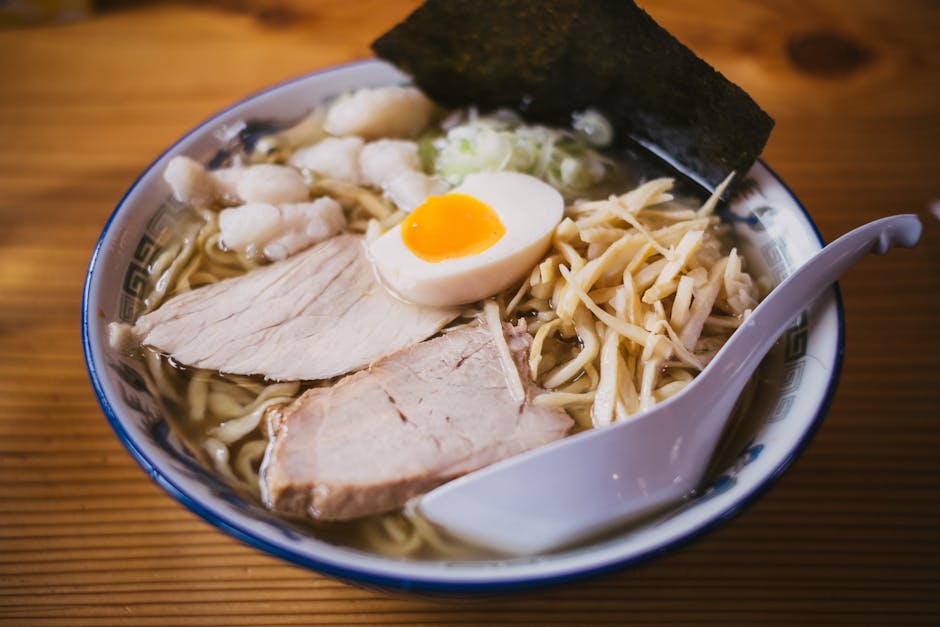
Tokyo Ramen 2026: 15 Legendary Bowls Worth the Wait
Tokyo has 10,000+ ramen shops but only a few dozen are truly legendary. This is the 2026 list of 15 must-visits, ranked by taste vs. wait time so you don't burn 3 hours for a mediocre bowl.
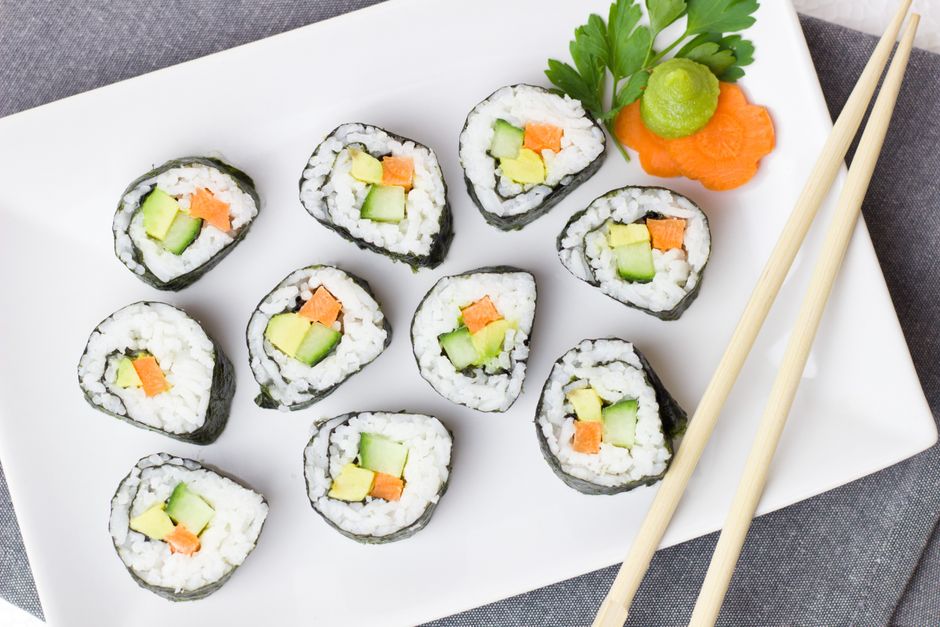
Best Tokyo Sushi Under ¥5,000 in 2026: 12 Essential Shops
Tokyo has Michelin sushi at ¥50,000+ and conveyor belt at ¥1,000. This 2026 guide covers the middle sweet spot — 12 legendary shops all under ¥5,000/meal.

Osaka Street Food Guide 2026: 20 Must-Eat B-Grade Gourmet Foods
Osaka's motto is 'kuidaore' (eat until you drop). Here's the 2026 guide to 20 essential street foods with exact shops and prices — takoyaki, kushikatsu, okonomiyaki, more.
💬Helped you? Share it
📮Got feedback?
Spot an error, missing info, or have a suggestion? We read every message.
Send feedback →