Hokkaido Seafood Markets 2027: Nijo, Hakodate Asaichi, Kuromon
2026-10-22 · 11분 소요
Hokkaido is Japan's seafood kingdom — hairy crab, sea urchin, salmon roe, scallops. Here's the complete 2027 guide to Nijo Market in Sapporo, Hakodate Morning Market, and Kushiro Washo.
Hokkaido is why the rest of Japan jokes about never eating seafood at home. The cold Sea of Okhotsk and the northern Pacific feed three major markets — Nijo in Sapporo, Asaichi in Hakodate, Washo in Kushiro — plus a dozen smaller ones. If you have a kaisendon (seafood rice bowl) at any of them, the first bite ruins supermarket uni for life.
💡Last content review: October 2026
Pricing from recent on-site surveys at Nijo Market (SapporoPR), Hakodate Morning Market and Kushiro Washo Market. Seasonal availability from Hokkaido Fisheries Research Institute annual catch calendar.
Quick facts: Hokkaido seafood 2027
| What | Detail | 예약 |
|---|---|---|
| Top 3 markets | Nijo (Sapporo), Asaichi (Hakodate), Washo (Kushiro) | 🏨 예약 |
| Hairy crab (kegani) peak | November – February | 🏨 예약 |
| Sea urchin (uni) peak | June – August | 🏨 예약 |
| Salmon roe (ikura) peak | September – November | 🏨 예약 |
| Horsehair crab price | ¥3,500–¥8,000 per crab | 🏨 예약 |
| Kaisendon price | ¥2,000–¥4,500 average bowl | 🏨 예약 |
| Market hours | ~5:00 AM to 2:00 PM (varies) | 🏨 예약 |
| English menus | Yes in all three main markets | 🏨 예약 |
🎯Build your donburi — the "wagamama kaisendon"
At several Hokkaido markets you pick each topping separately: uni, ikura, kani, hotate, salmon. A "wagamama (selfish) donburi" lets you build 5-7 toppings for ¥3,500–¥5,000. Try it at Nijo Market Donburi-Chaya or Hakodate's Market Donburi Yokocho.
Market 1: Nijo Market, Sapporo
SapporoPR's downtown market, three blocks east of Odori Park. Smaller than you'd expect for Hokkaido's capital — about one block of shops — but centrally located and tourist-friendly. Open 7 AM–6 PM. If you have one day in Sapporo and want seafood, Nijo is the pragmatic choice because you can walk from your hotel.
- ●Donburi-Chaya — Build-your-own kaisendon, ¥2,500–¥4,000. English menu with photos.
- ●Daichi — Grill-and-eat scallops, hairy crab legs, kegani miso soup. ¥500–¥2,500 per item.
- ●Fish shops with sampling — Walk through the covered arcade; most vendors offer taste samples of ikura, uni, salmon.
- ●Umaimon Yokocho — Alley next to Nijo with 8 small food counters; good budget option (¥1,500–¥2,500 for simpler bowls).
- ●Nijo Market vs Jogai Market — Jogai (Curb Market) is SapporoPR's bigger market near Nijuyonken Station, more local-focused, 30 min subway from Nijo. If you have 2 days do both; otherwise pick Nijo for convenience.
Find Sapporo hotels near Nijo Market
- ✓ Free cancellation on most rooms
- ✓ Compare 28M+ properties
- ✓ No booking fees
⏰ Prices update daily — book early for peak dates
Affiliate link — we may earn a commission at no extra cost to you.
Market 2: Hakodate Morning Market (Asaichi)
Hakodate's morning market is a 2-minute walk from Hakodate Station — most JR passPRengers smell it before they see it. It's the largest of the three main markets by area and the most "tourist experience" — this is where the famous ikasumi (live squid you catch yourself) attraction lives. Open 5 AM–2 PM (6 AM in winter).
- ●Donburi Yokocho Market Hall — ~20 small restaurants under one roof. Each specialises in different kaisendon combos; same price range (¥2,500–¥4,500).
- ●Live squid catching (ika-tsuri) — ¥1,500–¥2,500 to catch one with a tiny fishing rod from a tank; chef sashimi-s it on the spot. Only in Hakodate.
- ●Hairy crab vendors — Hakodate is one of Japan's main kegani ports; buying a whole live crab is cheaper here than in TokyoPR (¥4,000–¥8,000 for a medium crab).
- ●Shiogiku — Grilled scallop stall; one scallop ¥500, three ¥1,200.
- ●Kibun kombu shop — Hakodate's famous kombu kelp; buy a ¥1,500 bag as take-home gift.
Market 3: Kushiro Washo Market
In eastern Hokkaido, 4 hours from SapporoPR. Compact, atmospheric, and famously the home of the "Katte-don" — a build-your-own donburi system that was invented here. You start with a rice bowl (¥300–¥500) and walk between stalls adding one topping at a time, each costing ¥100–¥500. Combine 6–8 toppings for ¥2,500–¥3,500 total. Open 8 AM–5 PM, closed Sundays.
- ●How Katte-don works — Buy an empty rice bowl at the entrance (¥400 small, ¥500 large). Walk between seafood stalls adding single pieces to your rice. Pay each stall separately. Return to the central eating area to eat.
- ●Peak toppings — Hokkaido salmon sashimi, Nemuro sea urchin, flat clam, salted salmon roe, scallops, flounder.
- ●Timing — Mornings are best for selection; by 2 PM stalls run out.
- ●Access — 10 min walk from Kushiro Station. Combine with Kushiro Marshland (national park, 20 min away) for a full day.
Book a Hokkaido seafood food tour on Klook
- ✓ Skip-the-line e-tickets
- ✓ Mobile voucher, no printing
- ✓ Free cancellation up to 24h
⏰ Popular tours sell out 1-2 weeks ahead
Affiliate link — we may earn a commission at no extra cost to you.
What's in season when
| Month | Hairy crab | Uni (urchin) | Salmon roe | Scallop | Oyster |
|---|---|---|---|---|---|
| January | PEAK | No | No | Yes | PEAK |
| February | PEAK | No | No | Yes | PEAK |
| March | Yes | Yes | No | Yes | Yes |
| April | Yes | Yes | No | Yes | No |
| May | No | Yes | No | Yes | No |
| June | No | PEAK | No | Yes | No |
| July | No | PEAK | No | Yes | No |
| August | No | PEAK | No | Yes | No |
| September | Yes | Yes | PEAK | Yes | No |
| October | Yes | No | PEAK | Yes | Yes |
| November | PEAK | No | PEAK | Yes | Yes |
| December | PEAK | No | Yes | Yes | PEAK |
The 5 Hokkaido seafood items worth planning around
- ●Kegani (hairy crab) — Peak Nov–Feb. Smaller than king crab but sweeter meat. ¥4,000–¥10,000 for a whole steamed crab.
- ●Uni (sea urchin) — Peak June–August. Rishiri and Rebun uni are the top varieties. Donburi: ¥3,500–¥6,000.
- ●Ikura (salmon roe) — Peak Sept–Nov. Fresh ikura-don at a Hokkaido port is a different food than tinned supermarket ikura.
- ●Hotate (scallop) — Year-round peak. Live-grilled with butter and soy; ¥500–¥800 per large scallop.
- ●Nama-sake / Toro-sake (salmon) — Peak Sept–Nov when salmon return to spawn. Different fish than farmed Atlantic salmon — oilier, pinker.
💰Compare live hotel prices — Sapporo
Price checkSame dates, same destination — platforms often differ by 10-25%. Opening all three in new tabs is the fastest way to spot the deal.
Affiliate links — we may earn a commission at no extra cost to you.
Hokkaido crab season (Nov–Feb) draws Chinese New Year demand
- Hairy crab is a national CNY delicacy — mainland and Taiwan tour groups dominate Sapporo/Hakodate hotels in Feb
- Overlaps with Sapporo Snow Festival for a double-booking crunch
- Early booking saves 30-50% versus December walk-up rates
Affiliate link — we may earn a commission at no extra cost to you.
FAQ
- ●Which market is best overall? Nijo for convenience, Hakodate for experiencePR (live squid), Washo for "build your own."
- ●Are prices tourist-inflated? Slightly, but Nijo and Hakodate are still cheaper than equivalent TokyoPR Tsukiji-area restaurants.
- ●Do markets accept credit cards? Big stalls yes, small vendors cash only. Bring ¥10,000 in cash per person.
- ●Can I bring crab back to my home country? Depends on country — EU/USA/UK allow boiled/vacuum-packed; strict quarantine on live. Ask at airport customs.
- ●Is uni from Hokkaido really different? Yes — colder waters produce sweeter, denser urchins. The Rishiri-grown kombu they eat affects taste.
- ●Best breakfast option at the markets? Mini kaisendon (¥1,500) or grilled scallop + soup set (¥1,500–¥2,000).
- ●Any vegetarian options? Limited — these are seafood markets. Nijo has rice balls, pickles, and veg-side stalls; Hakodate less so.
- ●Will there be queues? Weekend late mornings yes (30+ min at popular donburi stalls). Weekdays before 10 AM: no queue.
- ●Can I visit markets in winter? Yes — all three operate year-round. Winter is crab peak, so arguably the best time.
- ●Which market is easiest for English speakers? Hakodate Asaichi has the most English signage; Nijo close behind; Washo has least but is still manageable.
- ●Are there sit-down restaurants nearby if I don't want market food? Yes — SapporoPR's Ramen Yokocho is 1 block from Nijo; Hakodate has multiple sit-down sushi near Asaichi.
- ●Can I buy whole live crab to cook at my hotel? Possible but most business hotels don't have kitchens. Better: pay the vendor to steam it, eat on-site.
🛠️ 무료 여행 도구
가입 없이·광고 없이 사용하는 인터랙티브 도구.
📚 관련 글

Japan Food Guide 2027: What to Eat, Where, and What It Actually Costs
A practical Japan food guide for 2027 — what each category actually costs, which dishes are overrated, and the three food experiences every first-timer should prioritize.
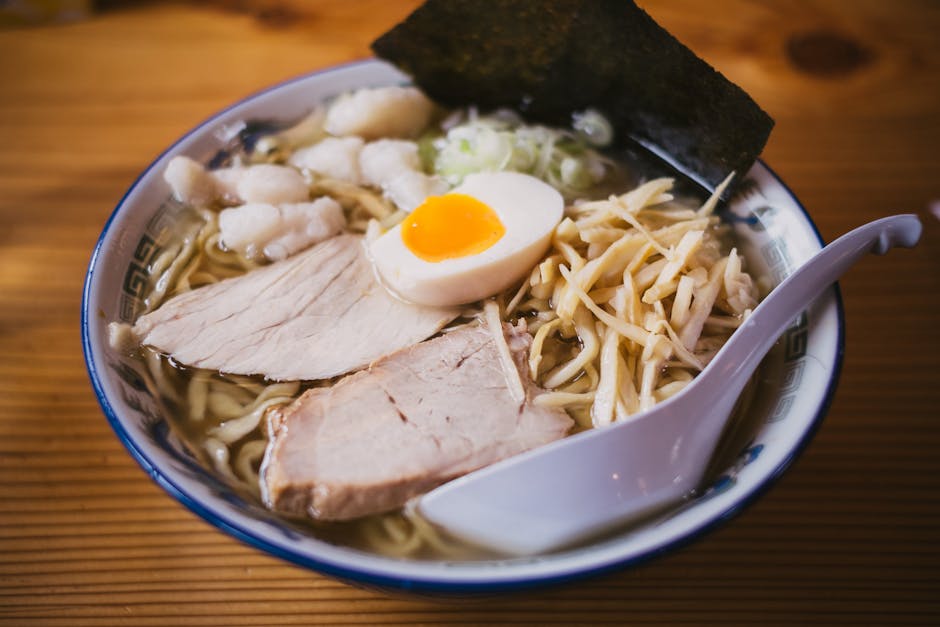
Sapporo Food Tour 2027: Miso Ramen, Beer Garden & Ramen Yokocho
Sapporo invented miso ramen, Japan's first lager, and the all-you-can-eat Jingisukan lamb BBQ. Here's the complete 2027 food tour — Ramen Yokocho to Sapporo Beer Garden in a single day.
오사카 벚꽃 2026: 예보와 추천 스팟
오사카성 벚꽃과 일본 최고의 거리음식. 2026년 예보, 명소, 숙소 정보.

삿포로 눈축제 2026 가이드·숙박
오도리·스스키노·츠도무 3개 회장 — 일본 최대 겨울축제 공략.
💬도움됐나요? 공유하기