Japan's Three Great Gardens: Kairakuen, Kenrokuen, Korakuen
2026-10-20 · 3 min read
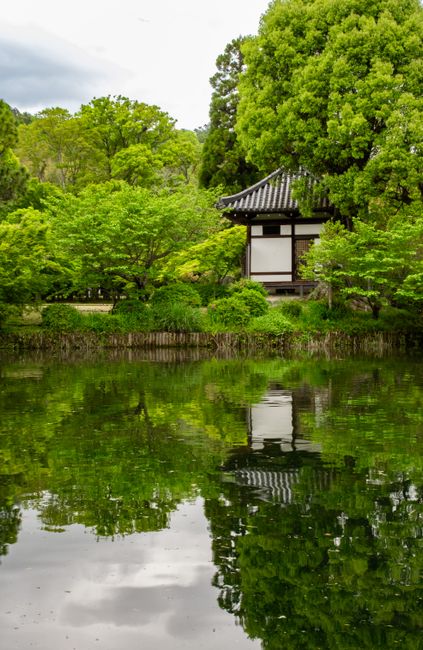
Known collectively as the Nihon Sanmeien, these three strolling gardens represent the peak of Edo-period landscape design across Japan.
A Japanese garden is not merely a space but a composed landscape — each stone, pine, and pond placed to reveal something about the season you walk through.
💡Last content review: October 2026
Prices, dates, and opening hours compiled from official operator websites and Japanese-language public sources.
What makes a garden one of the three?
The grouping known as Nihon Sanmeien — the Three Great Gardens of Japan — was formalized during the Meiji period and reflects a traditional ranking system based on six aesthetic qualities first described in Chinese landscape theory: spaciousness, seclusion, artifice, antiquity, flowing water, and panoramic views. A truly great garden is said to balance all six, something no single site achieves in full. The three selected gardens each embody the spirit of this ideal while expressing it in a distinct regional and seasonal register.
All three are strolling gardens (kaiyu-shiki teien) designed to be experienced on foot, with carefully framed views that unfold as visitors move between tea pavilions, bridges, and viewing hills. They are open year-round, affordably priced, and reachable by rail from TokyoPR in under four hours each.
1. Kenrokuen (Kanazawa) — the most famous
Kenrokuen, whose name literally means 'garden of the six attributes,' is widely regarded as the finest of the three. Developed by the Maeda clan over nearly two centuries, it occupies about 11 hectares beside KanazawaPR Castle and is known for its iconic Kotoji-toro stone lantern, the Karasaki pine propped on wooden supports, and the yukitsuri rope cones that protect trees from heavy winter snow.
- ●Location — central KanazawaPR, Ishikawa Prefecture
- ●Access — about 15 minutes by Kenrokuen Shuttle Bus from JR KanazawaPR Station
- ●Best season — all four seasons, but the yukitsuri scaffolding (November–March) and cherry blossoms in early April are especially celebrated
- ●Entry fee — around ¥300–400 for adults
- ●Why it earned trio status — considered the most balanced of all Japanese strolling gardens, embodying all six classical attributes
2. Korakuen (Okayama) — the waterfront garden
Korakuen sits on an island in the Asahi River directly opposite Okayama Castle, with the black-walled castle keep deliberately 'borrowed' as part of the composition. Completed in 1700, it is notable for its open lawns — unusual in traditional Japanese garden design — and for its tea plantations, rice fields, and plum groves that evoke the agricultural landscape of the Edo period.
- ●Location — Okayama City, Okayama Prefecture
- ●Access — about 10 minutes by tram or 25 minutes on foot from JR Okayama Station
- ●Best season — plum blossoms in February, cherry blossoms in April, and autumn colors in late November
- ●Entry fee — around ¥400–500 for adults
- ●Why it earned trio status — distinguished by its spaciousness and the dramatic 'borrowed scenery' of Okayama Castle
3. Kairakuen (Mito) — the plum blossom garden
Kairakuen is the youngest of the three, laid out in 1842 by the local daimyo Tokugawa Nariaki. Its name means 'garden to enjoy together,' reflecting Nariaki's unusual decision to open it to the public from the start. It is most famous for its 3,000 plum trees of roughly 100 varieties, which bloom from mid-February through late March and draw crowds to the annual Mito Plum Festival.
- ●Location — Mito City, Ibaraki Prefecture
- ●Access — about 70 minutes by limited express Hitachi/Tokiwa from TokyoPR's Shinagawa or Ueno Station to Mito
- ●Best season — plum blossoms from mid-February through late March
- ●Entry fee — free during most of the year; small fee during the plum festival
- ●Why it earned trio status — celebrated for its scale, antiquity, and the way its plum groves transform the hillside each late winter
Visiting all three
| Garden | City | Signature season | Travel time from Tokyo |
|---|---|---|---|
| Kenrokuen | Kanazawa | Winter yukitsuri | ~2.5 hours (Hokuriku Shinkansen) |
| Korakuen | Okayama | Autumn / spring | ~3.5 hours (Tokaido-Sanyo Shinkansen) |
| Kairakuen | Mito | Late winter plums | ~1.5 hours (Hitachi limited express) |
🎯Combine with castle visits
Each garden sits beside a historic castle or castle site — KanazawaPR Castle, Okayama Castle, and the former Mito Castle grounds — making a two-stop walking itinerary easy to plan in each city.
Hotels near Kenrokuen in Kanazawa
- ✓ Free cancellation on most rooms
- ✓ Compare 28M+ properties
- ✓ No booking fees
⏰ Prices update daily — book early for peak dates
Affiliate link — we may earn a commission at no extra cost to you.
🛠️ Free travel tools
Interactive tools built by us — no signup, no ads.
🎯 For readers of this guide
Ready to book your stay?
Live prices for Japan — free cancellation on most rooms.
- ✓ Free cancellation
- ✓ Best price guarantee
- ✓ No booking fees
Affiliate link — no extra cost to you
📚 Related guides
Obon 2026: Should You Travel Japan During Obon Week? (Aug 13-16)
Obon = Japan's biggest domestic holiday. Trains sell out, hotels 2-3x normal price. Here's how to travel Japan during Obon week 2026 without regret.

Japan Ramen Guide 2026: 8 Regional Styles + Where to Eat Each
Japan's ramen scene has 8 distinct regional styles — Sapporo miso, Hakata tonkotsu, Tokyo shoyu, and more. Complete guide with where to eat each.

Onsen Ryokan First-Timer Guide 2026: How to Book & What to Expect
Everything you need to know before your first onsen ryokan stay — booking, rooms, meals, etiquette, prices, and the 5 best onsen towns for foreigners.
Sumo Fukuoka (Kyushu Basho) 2026: Ticket Types, Prices & English Booking
Sumo Fukuoka November 2026 (Kyushu Basho, Nov 8-22). Masuseki ¥12,000, chair ¥3,500-8,500. Full ticket + Fukuoka Kokusai Center guide.
💬Helped you? Share it
📮Got feedback?
Spot an error, missing info, or have a suggestion? We read every message.
Send feedback →