⛩️ History & Temples
The Deeper Japan: History, Temples & Hidden Stories
Beyond the festivals — snow-covered Kinkakuji, samurai history, Nene's Kyoto, ninja experiences and the temples worth a trip.
Why History & Temples?
Japan's festivals are vivid and unforgettable, but the country's deeper magic lives in its temples, samurai-era castles, and the quiet stories of historical figures like Nene — wife of Toyotomi Hideyoshi who shaped Kyoto's most atmospheric quarter. This guide gives you concrete places, best timing, and the photographer's tricks for the iconic shots — like Kinkakuji blanketed in snow.
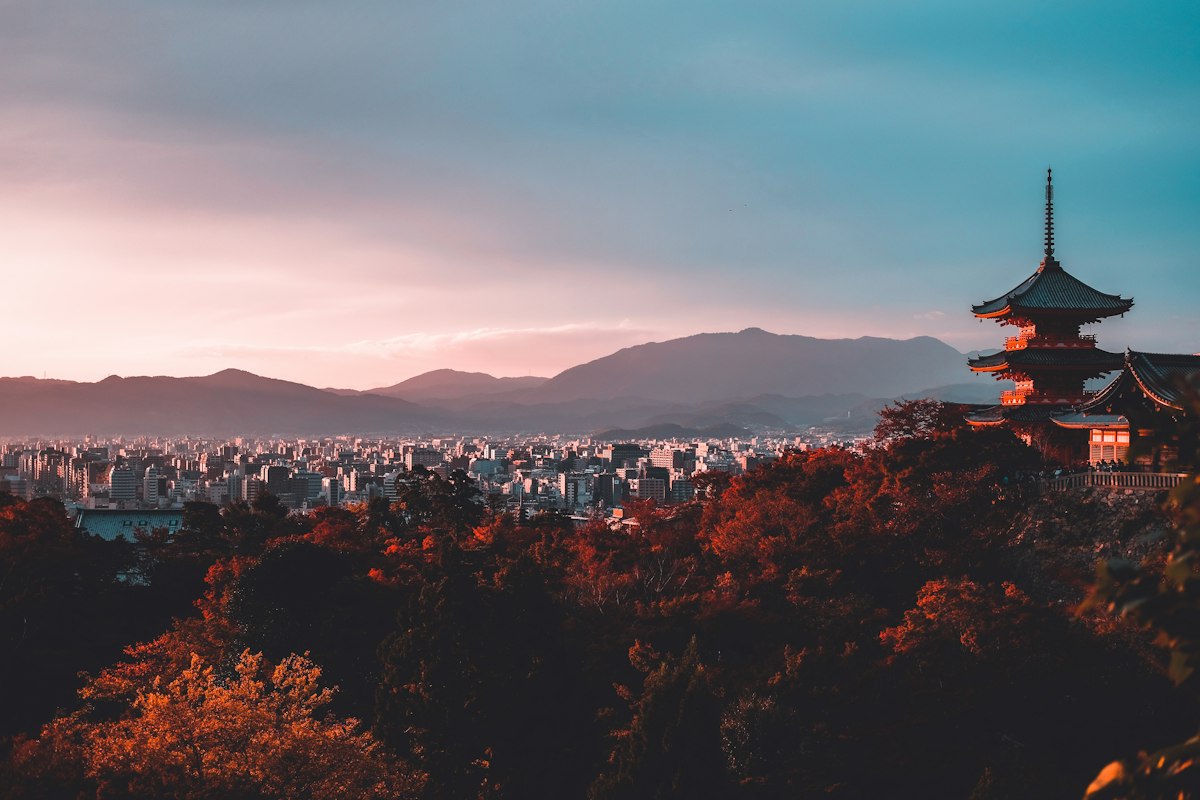
❄️ Photographer's Dream
Kinkakuji (Golden Pavilion) in Snow
The Golden Pavilion against a backdrop of fresh white snow is one of the most coveted photos in Japan. Gold against white, mirrored in the pond — it's pure magic. But Kyoto rarely gets significant snow, so this requires luck and timing.
Snow that sticks to Kinkakuji's roof happens only 2–4 times per winter on average, almost always between mid-January and mid-February. When forecasts call for snow in Kyoto, set your alarm — the snow often melts off the roof by 10 AM.
Best window
Mid Jan – mid Feb
Snow odds
2–4 days/winter
Best hour
Open (9 AM) – 10 AM
💡 Insider tip
Check the Kyoto weather forecast nightly in January. If snow is predicted overnight, take the first bus from Kyoto Station (5:50 AM Bus 101) and arrive when the gates open at 9 AM. Even after a snowfall, the rooftop snow melts by mid-morning sun. Bring a tripod and a polarizing filter to cut pond glare.
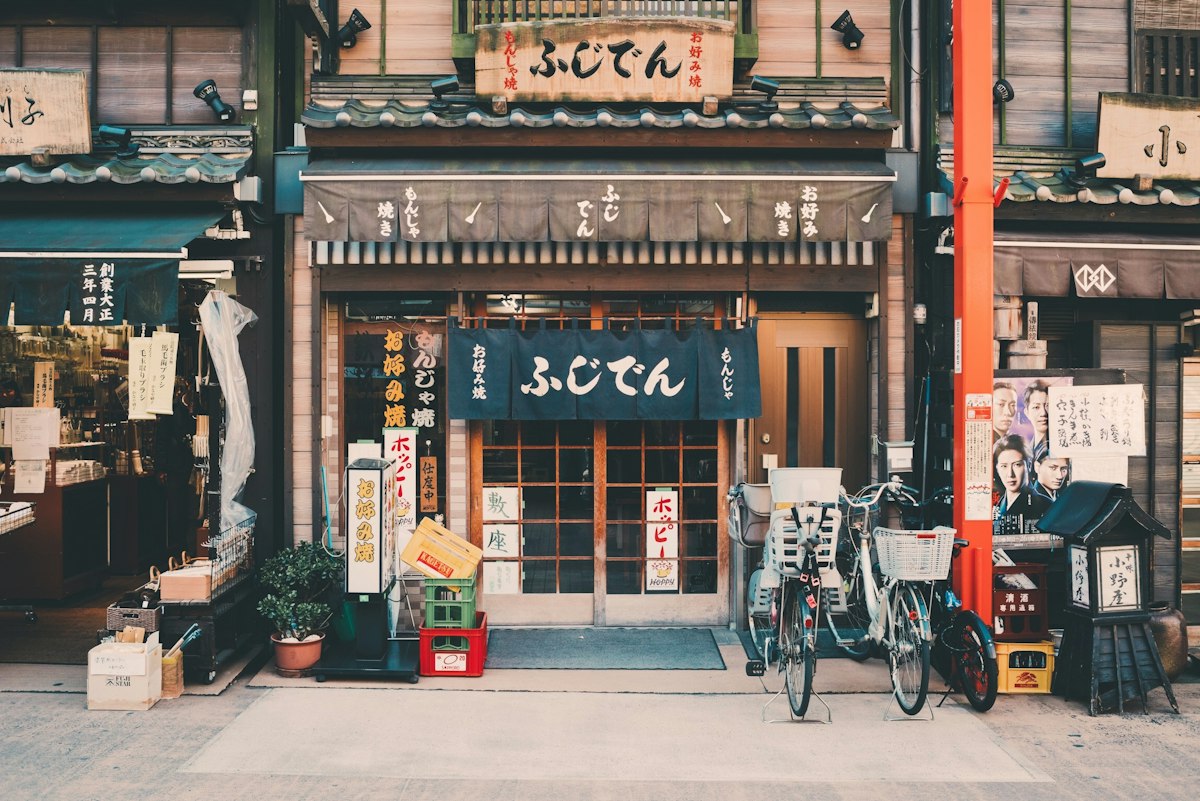
⚔️ Warriors' Trail
Samurai History — Where to Step Back in Time
Japan's samurai class shaped 700 years of history (12th–19th centuries). These sites preserve the architecture, swords, armor, and atmosphere of that era — much more vivid than any museum textbook.
Himeji Castle
Himeji, Hyogo (Kansai)
Japan's most beautiful original castle (UNESCO). Built 1609, survived earthquakes, fires, and WWII bombing. Inside, you walk the original wooden floors of the keep — the most authentic samurai-era experience.
Kakunodate Samurai District
Kakunodate, Akita (Tohoku)
Often called 'Little Kyoto of Tohoku.' Six preserved samurai mansions still owned by descendants. Cedar-shaded street with weeping cherries in spring. Authentic, low-tourist density.
Aizu Wakamatsu (Tsuruga Castle)
Fukushima
The last stand of pro-shogunate samurai in 1868. Includes the Byakkotai (White Tiger Brigade) memorial — teenage samurai who committed seppuku here. Heavy but moving.
Iga Ueno Castle & Ninja Museum
Iga, Mie
Birthplace of Iga ninja clan. Combination of small castle, ninja museum with live demonstrations, and old samurai-merchant streets.
Tokyo National Museum (Honkan)
Ueno, Tokyo
The world's best collection of samurai swords, armor, and lacquerware. Rotating exhibits — the 'samurai gallery' on the 2nd floor is always open. Easy half-day with kids.
⚔️ For deeper experience
Book a samurai sword-cutting (iaido) experience in Kyoto or Tokyo — you wear hakama, swing a real katana, and cut bamboo. Multi-language instruction, no experience needed. ¥9,000–15,000 for 90 min. Search 'samurai experience Tokyo/Kyoto' on Klook or Viator.
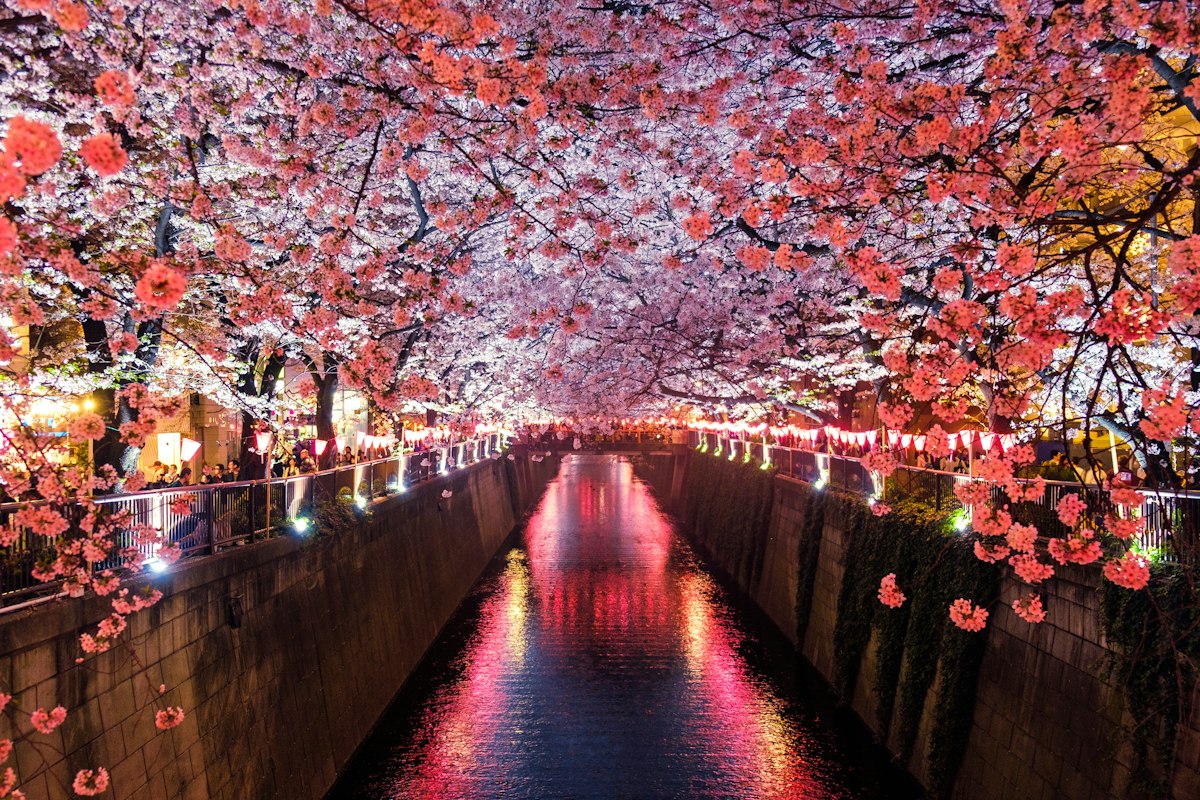
🌸 Hidden Kyoto
Nene's Path: The Other Side of Kyoto
Nene (1546–1624) was the wife of Toyotomi Hideyoshi, the warlord who united Japan. After his death she became a Buddhist nun, founded Kodaiji temple in Higashiyama, and lived out her life in the quiet hills above Kyoto. The neighborhood she shaped — Nene-no-Michi (Nene's Path) — is one of Kyoto's most atmospheric walks, and far less crowded than Kiyomizudera.
Kodaiji Temple
Higashiyama, Kyoto
Founded by Nene in 1606 to honor Hideyoshi. Beautiful Zen garden, bamboo grove, and famous autumn night illumination (mid-Nov–early Dec) with projection-mapped colors on the moss.
Nene-no-Michi (Nene's Path)
Higashiyama, Kyoto
Cobblestone lane that connects Kodaiji to Maruyama Park. Lined with kimono shops, teahouses, and quieter than the famous Sannenzaka. Best photographed at dawn or after dusk.
Entoku-in (Kodaiji sub-temple)
Adjacent to Kodaiji
Where Nene actually lived her final years as a nun. Small, intimate, with original paintings from her era. ¥500 entry, often nearly empty.
Maruyama Park & Yasaka Shrine
End of Nene-no-Michi
Walk Nene's route and end at Maruyama Park's giant weeping cherry (spring) or Yasaka Shrine's lanterns. Free, open 24 hours.
📍 Walking route (1.5 hours)
Start at Yasui Konpiragu Shrine → Kodaiji → Entoku-in (sub-temple) → Nene-no-Michi (Nene's Path) → Maruyama Park → Yasaka Shrine. Total 1.5–2 hours at a relaxed pace. Best early morning or after 4 PM to avoid crowds and catch golden light.
🥷 Stealth Tradition
Ninja Experiences
Real ninja came from Iga (Mie) and Koka (Shiga) provinces — and you can train where they did. These sites are legit (not theme parks) but tourist-friendly.
Iga Ninja Museum
Iga, Mie
Authentic ninja house with hidden doors, trapdoors, and revolving walls. Live demonstrations with throwing stars and swords. Allow 1.5 hours. ¥800. English audio guide.
Koka Ninja Village
Koka, Shiga
Outdoor training village. You can climb walls, throw shuriken, and try water-walking sandals. More hands-on than Iga. ¥1,100. 30 min from Kyoto.
Ninja Trick House Tokyo
Shinjuku, Tokyo
Compact ninja experience in central Tokyo. Reservation needed. English-speaking ninja instructors. Throwing stars, swords, secret passages. ¥3,000 for 60 min.
🏯 Beyond Kyoto
Top Temples Worth a Special Trip
Kyoto has 1,600 temples but Japan's greatest temples are spread across the country. Here are 8 worth planning a trip around.
| Region | Temple | Why visit |
|---|---|---|
| Kyoto | Kinkakuji (Golden Pavilion) | Gold-leaf pavilion reflected in a pond. Iconic in any season; magical in rare snow. |
| Kyoto | Kiyomizudera | Wooden stage over Higashiyama. Best at autumn night illumination. |
| Nara | Todaiji (Great Buddha) | World's largest wooden building. 15m bronze Buddha. Deer outside. |
| Tokyo | Sensoji (Asakusa) | Tokyo's oldest temple (645 AD). Festive atmosphere with Nakamise shopping street. |
| Kamakura | Great Buddha (Kotokuin) | 13m bronze Buddha, weather-worn outdoor. Easy day trip from Tokyo. |
| Wakayama | Koyasan (Mt. Koya) | Mountain monastery complex. Stay overnight in a temple lodging (shukubo). Meditation, vegetarian shojin meals. |
| Iwate | Chuson-ji (Hiraizumi) | UNESCO World Heritage. Konjikido golden hall built in 1124. Northeast Japan's spiritual peak. |
| Yamagata | Yamadera (Risshakuji) | 1,015 steps up a forested cliff. Made famous by haiku poet Basho. Spectacular views and silence. |
🏯 Castle Trail
Top Japanese Castles Worth a Trip
Japan once had 5,000+ castles. Today only ~100 remain, and just 12 retain their original wooden keeps. These 8 are the must-see castles, from the iconic to the hidden.
| Castle | Location | Why visit |
|---|---|---|
| Himeji Castle | Hyogo (Kansai) | Japan's most beautiful original castle. UNESCO. White Heron Castle nickname. |
| Matsumoto Castle | Nagano | Original black-walled keep against Japan Alps. Stunning in winter snow. |
| Hikone Castle | Shiga | Original keep, Lake Biwa views, smaller crowds. National Treasure. |
| Inuyama Castle | Aichi | Oldest original castle keep in Japan (1537). Cliff-edge with river views. |
| Matsue Castle | Shimane | Original black-and-white keep. Surrounded by samurai district + boat moat tour. |
| Osaka Castle | Osaka | Reconstructed but massive. Cherry blossom park, easy access, museum inside. |
| Nagoya Castle | Aichi | Golden shachi-hoko fish on top. Newly reconstructed Honmaru Palace inside. |
| Kumamoto Castle | Kumamoto (Kyushu) | Magnificent black castle, being restored after 2016 earthquake. Walking-only access reveals history. |
🏯 Pro tip
Original castles (Himeji, Matsumoto, Hikone, etc.) have steep wooden stairs you climb in socks — wear easy shoes. Reconstructed ones are concrete with elevators. The original-keep castles are far more atmospheric and worth the climb.
🍡 Traditional Sweets
Mochi & Wagashi: Japan's Traditional Sweets
Wagashi are traditional Japanese sweets — usually based on rice, beans, and sugar, designed to pair with green tea. Each region has unique specialties. These 6 are the most iconic, and where to try them.
Mochi (Pounded Rice Cakes)
All over Japan
Sticky rice pounded into chewy cakes. Plain, filled with anko (sweet bean), or grilled with soy sauce. New Year staple. Best fresh from a mochi-pounding demonstration (Tokyo: Nakatanidou in Nara is famous for its lightning-fast pounding).
Daifuku (Stuffed Mochi)
Nationwide
Mochi wrapped around fillings — sweet bean, strawberries (ichigo daifuku), even ice cream. Ichigo daifuku in winter-spring is essential. Tsuruya Yoshinobu in Kyoto is legendary.
Yatsuhashi
Kyoto
Kyoto's icon — triangular cinnamon-rice-flour pieces folded around sweet bean. Free samples at every Kiyomizu approach shop. Available in matcha, sakura, chocolate, and seasonal flavors.
Manju (Steamed Buns)
Throughout Japan
Steamed wheat or rice flour buns with sweet bean filling. Many regional variations: Hiroshima's momiji-manju (maple leaf shape), Onsen-manju (hot spring towns), Sakura-manju in spring.
Dorayaki
Tokyo & nationwide
Two pancake-like discs sandwiching anko (sweet bean). Doraemon's favorite. Usagiya in Ueno (Tokyo) is the most famous since 1913.
Higashi (Dry Sweets)
Kyoto & Kanazawa
Pressed sugar+rice flour molded into seasonal shapes (cherry blossoms, leaves). Pairs with matcha at tea ceremonies. Beautifully gift-wrappable.
🍡 Where to buy
Department store basements (depachika) at Isetan, Mitsukoshi, Takashimaya have huge wagashi sections from famous old shops — easy English signs, free samples, beautiful gift boxes. Open 10 AM, busiest after 5 PM (commuter rush).
🏪 Travel Hack
Convenience Stores (Konbini): Your Secret Weapon
Japanese convenience stores are not American convenience stores. They're 24-hour mini-restaurants with surprisingly excellent food, working ATMs that take foreign cards, hot prepared meals, and clean toilets. Knowing your way around konbini is a Japan travel superpower.
7-Eleven
Best ATMs for foreign cards. Premium 'Seven Premium' brand snacks. Top egg salad sandwich.
Lawson
Famous for Karaage-kun (chicken nuggets) and premium desserts. Best Machi cafe coffee.
FamilyMart
Famous for 'Famichiki' fried chicken. Excellent oden in winter. Cheaper sweet bun snacks.
Must-Try Konbini Foods
🍙 Onigiri (Rice Balls)
¥150–250 each. Tuna mayo, salmon, kombu, umeboshi. Wrapped to keep nori crispy. Perfect breakfast or hike snack.
🥪 Egg Salad Sandwich (Tamago Sando)
Anthony Bourdain made 7-Eleven's tamago sando world-famous. ¥250. Fluffy, custardy egg salad on crustless white bread.
🍱 Bento Boxes
Full meals — katsudon, salmon teriyaki, pasta — for ¥500–900. Microwave on-site (point to picture, staff understands). Perfect for shinkansen.
🍢 Oden (Winter)
Hot pot of dashi-simmered tofu, daikon, eggs, fish cakes. Point and choose from the counter. ¥80–200 per piece. Available Oct–Mar.
🍮 Premium Pudding
Lawson's 'Basque burnt cheesecake' and 7-Eleven's Italian-style pudding are restaurant quality. ¥200–400.
☕ Drip Coffee
Real espresso machines. ¥110 small, ¥180 large. Print 'L' or 'M' cup, ask for it, then they activate the machine. Surprisingly excellent.
🍜 Cup Noodles & Hot Bento
Hot water dispenser is free. Choose from 30+ regional ramen brands. Late-night hotel-room dinner = ¥250.
🍫 Japan-Only Snacks
KitKat flavors (matcha, sakura, wasabi), Pocky variations, Calbee chips (pizza, takoyaki). Best souvenir under ¥300.
💡 Konbini hacks
All konbini have free WiFi (look for stickers). 7-Eleven ATMs take foreign cards 24/7 with English menus. Buy ¥1,000+ to use the bathroom (cultural rule). Print photos, ship luggage, pay bills — konbini do everything. The microwave is at the counter — staff will heat your bento.
💡 Digital Art
teamLab Immersive Digital Art Museums
teamLab pioneered the immersive digital art museum genre — rooms where you walk through projected light gardens, oceans of pixels, and infinite mirrored spaces. It's modern Japan's most photographed art experience, and tickets sell out daily.
teamLab Planets TOKYO
Toyosu, Tokyo
Barefoot immersive experience — you walk through knee-deep water in a forest of light, into mirror gardens. The current Tokyo headline. ¥3,800. Book online 2–4 weeks ahead. Pants only (no skirts — mirror floors).
teamLab Borderless
Azabudai Hills, Tokyo
Reborn in 2024 inside the new Azabudai Hills tower. No fixed rooms — artworks roam between spaces. ¥3,800. Combine with the building's observation deck.
teamLab Forests
Fukuoka
Kyushu's flagship inside BOSS E·ZO. Smaller than Tokyo locations but kid-friendly and easier to book. ¥2,400.
teamLab Botanical Garden
Osaka (Nagai Park)
Outdoor nighttime installation in a real botanical garden — only operates after dark. Seasonal, check schedule. ¥2,200.
💡 Booking tips
Tokyo locations sell out every weekend. Book 2–4 weeks ahead via the official teamLab site (English support). Allow 2.5 hours per visit. Phone with charged battery is essential — photos and videos are 90% of the experience.
⛩️ Sacred Sites
Top Shinto Shrines (Jinja) Worth Visiting
Shrines (jinja) are Shinto, Japan's indigenous religion — distinct from Buddhist temples. They're marked by torii gates, and dedicated to kami (spirits). These 7 are the most iconic and worth a trip.
| Shrine | Location | Why visit |
|---|---|---|
| Fushimi Inari Taisha | Kyoto | 10,000 vermillion torii gates climbing Mt. Inari. Iconic Japan photo. Free, open 24h — go at dawn. |
| Itsukushima Shrine | Miyajima, Hiroshima | Floating torii in the sea. UNESCO. Check tide tables for high-tide photo or low-tide walk. |
| Meiji Jingu | Shibuya, Tokyo | Tokyo's most important shrine, in a forest oasis next to Harajuku. Traditional weddings on weekends. |
| Toshogu | Nikko, Tochigi | UNESCO shrine of shogun Tokugawa Ieyasu. Ornate gold-leaf carvings — most lavish shrine in Japan. |
| Izumo Taisha | Shimane | Japan's oldest shrine (8th-century records). The shrine of marriage and relationships. Off most tourist paths. |
| Yasaka Shrine | Gion, Kyoto | Origin point of Gion Matsuri festival. Lantern-lit at night. Free, central, atmospheric. |
| Atsuta Shrine | Nagoya | Houses the legendary Kusanagi sword (one of Japan's three imperial regalia). Quiet forested grounds. |
⛩️ Visiting etiquette
At the torii, bow once before passing through and walk on the side (the center is for kami). Wash hands and rinse mouth at the chozuya (water basin). At the main hall: throw a 5-yen coin (lucky), bow twice, clap twice, pray, bow once. Photos OK outside, not always inside.
🍵 Tea Ceremony
Tea Ceremony (Chado) Experiences
The Japanese tea ceremony is a 400-year-old meditative ritual — every gesture, from how you turn the bowl to how you receive a sweet, carries meaning. Several reputable schools offer English-friendly experiences for visitors.
Camellia Flower Tea Ceremony
Higashiyama, Kyoto
Most-booked English ceremony in Kyoto. 45 min in a traditional tatami room. Hands-on whisking. ¥3,000, multiple daily slots. Book via Klook or official site.
Maikoya (Kyoto / Osaka / Tokyo)
3 cities
Full kimono + tea ceremony combo. 90 min, English instructors. ¥7,000–10,000. The Osaka location adds a samurai photo set.
En Tea Ceremony
Asakusa, Tokyo
Central Tokyo option for travelers staying east. Compact 45-min experience in a renovated machiya. ¥5,500.
Urasenke School Foundation
Kyoto
If you want serious: Urasenke is the largest tea school in Japan. Their cultural foundation hosts educational ceremonies for foreigners (reservations months ahead). Free–¥1,000.
🍵 What to expect
Wear socks (you'll be shoeless on tatami). Avoid strong perfumes. The tea is matcha — bright green, slightly bitter, served with a small sweet (wagashi) first. You bow when receiving the bowl, rotate it twice, drink in 2–3 sips. Photos usually OK before/after but not during.
🤼 Sumo
Sumo: Where to Watch Japan's National Sport
Sumo is 1,500 years old and still one of the most theatrical sports on Earth. Six grand tournaments (basho) happen per year. Tickets sell out, but morning practice at training stables is a cheaper, more intimate option.
Grand tournaments (basho) 2026
| Month | City | Venue |
|---|---|---|
| January | Tokyo | Ryogoku Kokugikan |
| March | Osaka | Edion Arena Osaka |
| May | Tokyo | Ryogoku Kokugikan |
| July | Nagoya | Dolphins Arena |
| September | Tokyo | Ryogoku Kokugikan |
| November | Fukuoka | Fukuoka Kokusai Center |
If you can't get tournament tickets
Morning Practice (Asageiko) Tour
Tokyo Ryogoku stables run guided morning practice visits — you watch rookies train silently in the dohyo from 7–10 AM. Strict etiquette. ¥10,000–15,000 via Klook/Viator.
Ryogoku Kokugikan Sumo Museum
Free museum next to Tokyo's sumo arena. Champions' portraits, costumes, and tournament history. Open weekdays, no booking needed.
Chanko Restaurant
Eat chankonabe — the protein-rich hot pot that sumo wrestlers grow on. Several Ryogoku restaurants are run by retired wrestlers themselves. ¥2,000–4,500.
🤼 Tournament booking
Tickets go on sale 2 months before each basho via the official Sumo Association site (some English). Single-day general tickets start at ¥3,500. Box seats ¥10,000+. The last day (senshuraku, Sunday) is most exciting but hardest to book. Try Klook for resold tickets if official sells out.
🏝️ Sacred & Scenic Islands
Japan's Most Atmospheric Islands
Japan has 14,000+ islands, but a handful are unforgettable: floating shrines, ancient cedars, modern art, free-roaming cats. Each one is a complete trip in itself.
Miyajima (Itsukushima)
Hiroshima
The floating torii of Itsukushima Shrine, free-roaming deer, Mt. Misen ropeway. Stay overnight to see it without day-trippers. Ferry from Hiroshima 10 min.
Naoshima
Setouchi Inland Sea (Kagawa)
Modern art island. Tadao Ando architecture, Chichu Art Museum (underground Monet/Turrell), Kusama's iconic yellow pumpkin. 1 day minimum, 2 better.
Yakushima
Kagoshima (Kyushu)
UNESCO ancient cedar forest. Trees over 1,000 years old. Inspired Princess Mononoke. Hike to Jomon Sugi (oldest tree, 7,200 years). 2–3 days.
Sado
Niigata (Sea of Japan)
Largest off-Honshu island. Gold mine history, Kodo taiko drumming heritage, scenic coastline. Ferry 1h from Niigata port.
Tashirojima (Cat Island)
Miyagi
Hundreds of free-roaming cats outnumber the ~50 residents. Fishermen's tradition treats cats as lucky. Ferry from Ishinomaki, day-trip from Sendai.
Aoshima (Cat Island)
Ehime (Shikoku)
Tiny island where cats vastly outnumber humans (~120 cats, 6 people). 30-min ferry. Best for cat lovers and photographers.
Kerama Islands
Okinawa
Best diving and snorkeling in Japan. 'Kerama Blue' water, sea turtles, white sand beaches. National Park. 1h ferry from Naha.
🏝️ Planning island trips
Ferries sell out on summer weekends — book 2 weeks ahead for Miyajima, Naoshima, Yakushima. Pack layers (sea breeze cools quickly). Yakushima and Kerama need 2–3 days minimum. Miyajima, Naoshima, and cat islands work as day trips from major cities.
Plan your culture-focused Japan trip
Use our tools to time your visit and build your itinerary.