Japan Summer Heat Survival Guide 2026: Gear & Tips
2026-06-15 · 11 min read

Japan summer hits 35°C with 80% humidity. Here's the gear, products, and itinerary tweaks that keep you alive and enjoying.
Japanese summer (June–September) is genuinely dangerous — 35°C+ heat with 80% humidity that doesn't drop at night. Heatstroke (熱中症 nessho-sho) kills 1,000+ people annually. But with the right gear and strategy, you can still enjoy hanabi, matsuri, and Mt. Fuji. Here's the 2026 survival kit.
💡Last content review: August 2024
Prices, dates, and opening hours compiled from official operator websites and Japanese-language public sources.
Quick facts: Japan summer 2026
| What | Detail | Book |
|---|---|---|
| Hottest months | Late July – mid-August | 🏨 Book |
| Average daytime temp (Tokyo) | 32–36°C (89–97°F) | 🏨 Book |
| Humidity | 70–85% | 🏨 Book |
| Night temp (urban) | Rarely drops below 27°C — bring AC | 🏨 Book |
| Heatstroke deaths (Japan/year) | 1,000+ — half are tourists/elderly | 🏨 Book |
| UV index | 10–12 (extreme) at noon | 🏨 Book |
| Best escape spots | Hokkaido, Nagano, Hakone, Karuizawa | 🏨 Book |
| Essential gear budget | ¥3,000–5,000 from konbini/Don Quijote | 🏨 Book |
⏰ Strong-AC hotels are non-negotiable in Japanese summer (35°C+ humidity). Filter for modern (post-2010) Western chains — old ryokan AC won't keep up.
Find strong-AC summer hotels in Japan
- ✓ Free cancellation on most rooms
- ✓ Compare 28M+ properties
- ✓ No booking fees
⏰ Prices update daily — book early for peak dates
Affiliate link — we may earn a commission at no extra cost to you.
The 12 essential heat survival items
These are sold at every konbini (7-Eleven, FamilyMart, Lawson) and Don Quijote. Stock up on Day 1 of your trip:
WEARABLE COOLING
- ●Neck-mounted electric fan (首掛け扇風機) — ¥2,000–4,000 at Don Quijote/Bic Camera. Hands-free, 4–8h battery. THE single best buy for Japan summer.
- ●Cooling neck ring (クールリング) — ¥1,500–2,500 at any drugstore. Frozen gel ring you wear like a scarf. Lasts 90 min outdoors.
- ●Cooling spray (冷却スプレー) — Sea Breeze or Gatsby, ¥500–800 at konbini. Spray on skin for instant -10°C shock. Lasts 10 min.
- ●Cooling wet sheets (冷感シート) — Biore Ice or Gatsby, ¥300–500 at konbini. Wipe-down menthol sheets. Carry 1 packet per day.
- ●UV arm sleeves (UVカットアームカバー) — UNIQLO AIRism ¥1,500. Block 95% UV while cooling. Locals wear them in cities.
DRINKS + HYDRATION
- ●Pocari Sweat (ポカリスエット) — ¥150 at any vending machine. The Japanese standard for rehydration. Drink 1–2L per day if active outdoors.
- ●Salt tablets / salt candy (塩タブレット) — ¥300 at konbini. Replaces sodium lost to sweat. Crucial for hot day hikes.
- ●Cold tea (冷たいお茶) — Oi Ocha, Itoen ¥150. Caffeine + minerals. Less sugary than Pocari.
SUN + SHADE
- ●Japanese parasol/sun umbrella (日傘) — ¥1,500–3,000 at Don Quijote. UV-blocking ones cool the air around you by 5°C. Locals use them.
- ●Sunscreen SPF 50+ — Biore UV Aqua Rich ¥800 — best-in-world Japanese sunscreen, gel texture, doesn't sting eyes. Stockpile.
- ●Wide-brim hat — ¥1,500 at UNIQLO. Don't underestimate sun on the back of neck.
- ●Polarized sunglasses — Light reflects intensely off pavement in TokyoPR.
Where to buy: shopping map
| Store | Best for | Pricing |
|---|---|---|
| 7-Eleven / FamilyMart / Lawson | Daily refills: drinks, salt tabs, wet sheets | Marked up 20% but everywhere |
| Don Quijote (ドンキ) | Big gear: neck fan, cooling ring, parasol | Cheapest 'one-stop' option |
| Drugstore (Matsumoto Kiyoshi, Welcia) | Sunscreen, cooling sprays, deodorant | Best prices on cosmetics |
| UNIQLO | AIRism cooling clothes, UV sleeves, hats | Tech-fabric specialist |
| Bic Camera / Yodobashi | Premium neck fans, USB cooling vests | More variety, higher quality |
Heat-safe itinerary strategy
Don't try to do TokyoPR or Kyoto in summer like you would in spring. Restructure your day:
- ●Early morning (5–10 AM): outdoor sightseeing, temples, gardens. Coolest temperatures.
- ●Late morning (10 AM–1 PM): museums, department stores, aquariums. AC indoor.
- ●Afternoon (1–4 PM): NEVER outdoor. Lunch + cafe + shopping or hotel rest.
- ●Late afternoon (4–7 PM): light outdoor walking, riverside, parks.
- ●Evening (7–10 PM): festivals, hanabi, izakaya, nighttime sightseeing.
- ●Avoid the 1–4 PM 'death zone' completely. Every year tourPRists collapse during this window.
Indoor escapes by city
- ●TokyoPR: TeamLab Planets, Edo-Tokyo Museum, Mori Art Museum, Tokyo Sky Tree (AC observation deck), all department store basements
- ●KyotoPR: Manga Museum, Railway Museum, Kyoto National Museum, all department store top-floor restaurants
- ●OsakaPR: Aquarium Kaiyukan, Universal Studios indoor zones, Tsutenkaku tower
- ●Universal: any underground shopping street ('chika-gai') — TokyoPR Station, Yokohama, Nagoya all have massive cool networks
Browse indoor summer tours & experiences
- ✓ Skip-the-line e-tickets
- ✓ Mobile voucher, no printing
- ✓ Free cancellation up to 24h
⏰ Popular tours sell out 1-2 weeks ahead
Affiliate link — we may earn a commission at no extra cost to you.
Where to stay: AC matters more than location
In summer, prioritize hotels with:
- ●STRONG individual room AC (older ryokan have weak AC — verify)
- ●Air-conditioned lobby AND elevators (some old hotels skimp)
- ●Direct subway access (no walking in 35°C to find lunch)
- ●Pool or onsen for cool-down recovery
- ●Avoid: traditional ryokan in summer unless they explicitly advertise 'cool ryokan' (涼しい旅館) — sliding paper doors don't block heat
Find AC-strong summer hotels in Japan
- ✓ Free cancellation on most rooms
- ✓ Compare 28M+ properties
- ✓ No booking fees
⏰ Prices update daily — book early for peak dates
Affiliate link — we may earn a commission at no extra cost to you.
Escape destinations: 'natsumeruba' (cool spots)
If your trip is 10+ days, escape the urban heat for 2–3 nights:
- ●Hokkaido (SapporoPR, Furano, Hakodate) — 22–26°C in August. Lavender fields. The locals' go-to escape.
- ●Karuizawa (Nagano) — 1h shinkansen from TokyoPR. 25°C even in August. Old-money summer retreat.
- ●Nikko — 2h from TokyoPR. Mountain UNESCO temples + 25°C average.
- ●Hakone — Onsen + 25°C in higher elevations. Easy from TokyoPR.
- ●Mt. Fuji 5th Station — 12°C at 2,300m. Reachable as day trip from TokyoPR.
- ●Takayama / Kamikochi (Japanese Alps) — Alpine 18–22°C even in August.
Heatstroke: signs, prevention, emergency
Heatstroke (熱中症) hospitalizes thousands of tourPRists each summer. Know the signs:
- ●Early symptoms: dizziness, muscle cramps, heavy sweating, headache
- ●Critical: confusion, NO sweating despite heat (body has stopped cooling), nausea, body temp >40°C
- ●Prevention: drink BEFORE feeling thirsty, salt with every meal, plan AC breaks every 60 min
- ●If symptoms hit: GO INDOOR AC IMMEDIATELY, drink Pocari Sweat, cool neck/wrists with ice
- ●Emergency: call 119 (free ambulance). Many phrases: 'netsushou desu' (I have heatstroke), 'kyukyusha onegaishimasu' (ambulance please)
- ●Travel insurance: confirm BEFORE arrival that it covers heatstroke hospitalization
Hanabi & matsuri in extreme heat
Summer festivals are the reason to visit, but they're held in the hottest months. Survival tips:
- ●Arrive at venue 2 hours before, not 5+ hours — heat builds quickly
- ●Wear yukata (cotton breathes far better than synthetic clothes)
- ●Bring 2L of water per person — vendors mark up 300% at festivals
- ●Frozen Pocari from konbini in a small cooler bag = chest pack of slowly-melting ice
- ●Find shade trees and switch positions every 30 min
- ●Skip food stalls during peak heat 12–3 PM — those queues are 80%+ humid
Cost: summer survival gear budget
| Item | Approx cost | Book |
|---|---|---|
| Neck fan (essential) | ¥3,000 | 🏨 Book |
| 2x cooling neck rings | ¥3,000 | 🏨 Book |
| Sunscreen (Biore UV Aqua Rich) | ¥800 | 🏨 Book |
| Cooling spray + wet sheets (week's worth) | ¥1,500 | 🏨 Book |
| Sun umbrella | ¥2,000 | 🏨 Book |
| UV arm sleeves (UNIQLO) | ¥1,500 | 🏨 Book |
| Pocari + salt tabs (week's worth) | ¥2,500 | 🏨 Book |
| Total (1 traveler, 1 week) | ~¥14,300 | 🏨 Book |
FAQ
- ●Should I avoid Japan in summer? No, just plan for it. Hanabi and matsuri are unique. Just don't try to do same itinerary as spring.
- ●Is the neck fan really worth it? Yes — the single best ¥3,000 you'll spend.
- ●Where to buy the fastest? Don Quijote 'mega' stores in Shinjuku, Shibuya, OsakaPR — open 24h often.
- ●Air-conditioning policy? Japanese AC is usually set to 28°C (warm by Western standards). Bring a light layer for cold trains.
- ●What about typhoons? August–September. Have flexible plans, indoor backups, check JMA app daily.
- ●Drink alcohol with heat? Be very careful — alcohol dehydrates. Drink 2x water for every beer.
- ●Pregnant or with kids? Same gear plus: more frequent AC breaks, smaller portions of Pocari, electrolyte-balanced kid drinks (Pocari Sweat Ion Water).
- ●What's the worst day to be outside? Late July to early August, 1–4 PM, sunny day after rain (humidity peaks).
Final tips
Buy a neck fan and cooling ring on Day 1. Drink Pocari Sweat BEFORE feeling thirsty. Skip the 1–4 PM zone. Use the underground shopping streets. Get a hotel with strong AC. Plan one 'cool escape' trip to Hokkaido, Karuizawa, or HakonePR if you have 10+ days. Japan summer is intense but with the right gear, it's also magical — fireworks reflecting on rivers, beer in a yukata, neon nights at 32°C. Just respect the heat.
🛠️ Free travel tools
Interactive tools built by us — no signup, no ads.
🎯 For readers of this guide
Ready to book your stay?
Live prices for Japan — free cancellation on most rooms.
- ✓ Free cancellation
- ✓ Best price guarantee
- ✓ No booking fees
Affiliate link — no extra cost to you
📚 Related guides
Japan Packing List 2026: What to Bring (by Season)
Exactly what to pack for Japan — season-specific list, plus what to BUY in Japan (konbini, Don Quijote, Uniqlo) instead of bringing.
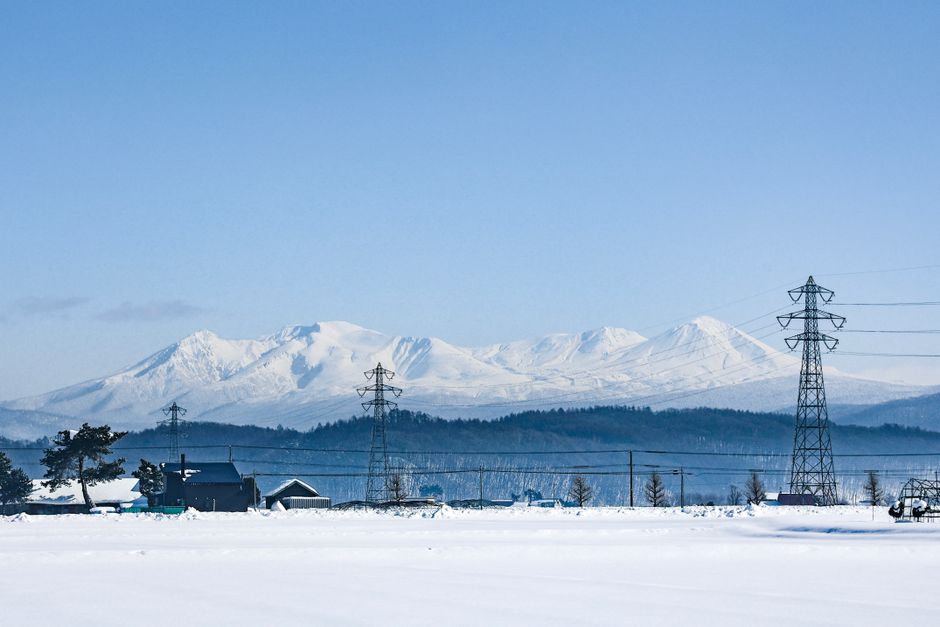
Japan Winter Cold Survival Guide 2026: Gear & Tips
Japan winter is colder than tourists expect — drafty hotels, frozen temples, snow in Hokkaido. Here's the gear and strategy.
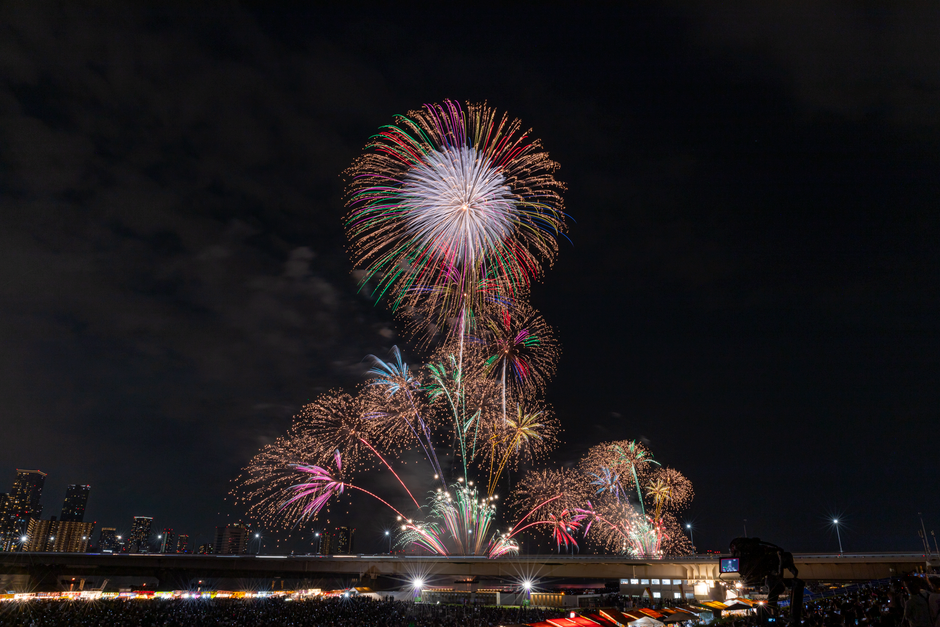
Best Fireworks Festivals in Japan 2026
Japan's biggest and most spectacular summer fireworks festivals, and how to plan around them.
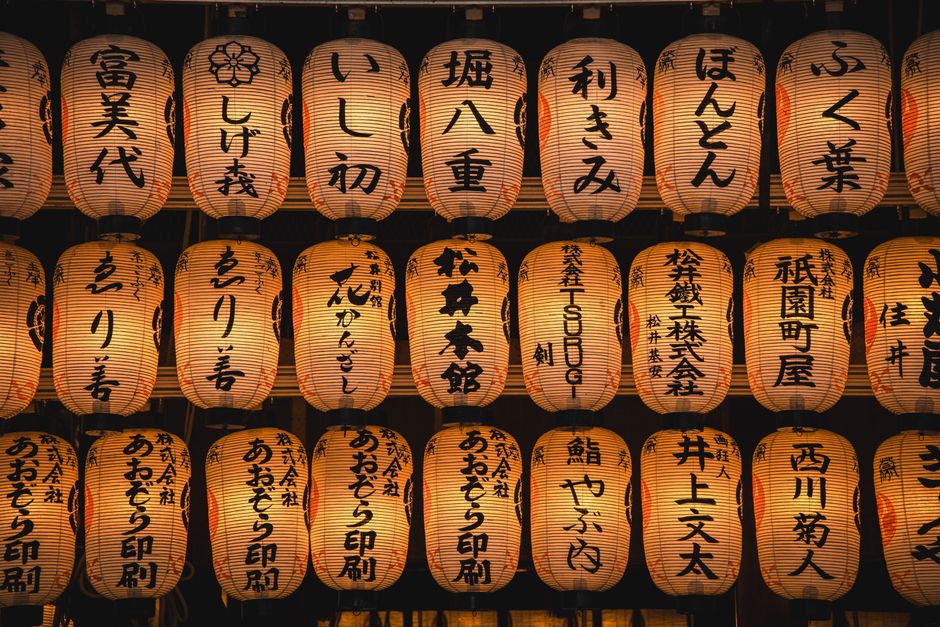
Best Summer Festivals (Matsuri) in Japan 2026
Japan's biggest summer matsuri — floats, drums and dancing — and how to plan your trip around them.
💬Helped you? Share it
📮Got feedback?
Spot an error, missing info, or have a suggestion? We read every message.
Send feedback →