Beppu Onsen Guide 2026: Kyushu's Volcanic Onsen Capital in Winter
2026-06-20· Updated 2026-09-11 · 3 min read

Beppu is Japan's onsen mecca — 2,847 hot springs, winter temps 10-15°C (not freezing like Tokyo). Here's the 2026 guide to Kyushu's warmer winter escape.
Beppu is Japan's #1 onsen city by pure output — 2,847 hot springs pumping ~137,000 tons/day of thermal water. Winter here is 10-15°C, not freezing like Tokyo. Kyushu's underrated escape.
💡Last content review: February 2024
Prices, dates, and opening hours compiled from official operator websites and Japanese-language public sources.
Why Beppu in winter?
- ●Mild winter: 10-15°C days, 3-8°C nights (vs TokyoPR -2 to 10°C)
- ●#1 onsen output in Japan
- ●Cheap ryokan: 30-40% less than HakonePR/Nikko
- ●Fewer international [tour](https://www.klook.com/en-US/search/?query=Japan&tp_sub=japan)ists: authentic Japanese onsen experience
- ●Day-hop to Yufuin: cuter, artsier onsen town 40 min away
- ●Fresh seafood: Kyushu's Pacific coast means peak sashimi
The 8 Beppu Hells (Jigoku Meguri)
Beppu has 8 famous 'hells' — bubbling volcanic ponds too hot to bathe in but spectacular to view. Blood-red 'Chi no Ike Jigoku', ¥400 each, or all-8 pass ¥2,200. Half-day activity, best done morning.
- ●Umi Jigoku (Sea Hell) — cobalt blue thermal pond
- ●Chi no Ike Jigoku (Blood Pond) — deep red-brown, otherworldly
- ●Tatsumaki Jigoku (Tornado Hell) — geyser erupts every 30 min
- ●Oniishibozu Jigoku (Monk's Head Hell) — bubbles look like shaved monk heads
- ●Others: Shiraike, Kamado, Oniyama, Yama Jigoku
Best onsen experiences
| Type | Best example | Price | Notes | Book |
|---|---|---|---|---|
| Steam bath (mushiyu) | Hyotan Onsen | ¥800 | Waist-deep in geothermal steam | 🏨 Book |
| Sand bath (sunayu) | Takegawara Onsen | ¥1,050 | Buried in warm volcanic sand | 🏨 Book |
| Mud bath (doroyu) | Beppu Beach Sand Bath | ¥1,500 | Natural mud + minerals | 🏨 Book |
| Ocean-view onsen | Kannawa area rotenburo | ¥500-800 | Bath while watching sea | 🏨 Book |
| Traditional ryokan onsen | Any Kannawa ryokan | Included with stay | Best for kaiseki + onsen combo | 🏨 Book |
Best Beppu ryokan for 2026
- ●Ryokan Yamada Bessou (¥45K-70K/night) — Michelin-recognized, private onsen rooms
- ●Fufu Beppu (¥55K-90K) — luxury design, all rooms with private onsen
- ●Kappo Ryokan Kagetsu (¥30K-50K) — traditional, kaiseki peak
- ●Kannawaen (¥18K-32K) — mid-range Kannawa area
- ●Beppu Kannawa Onsen Ashiya Ryokan (¥12K-22K) — budget
Book Beppu ryokan (warm winter escape)
- ✓ Free cancellation on most rooms
- ✓ Compare 28M+ properties
- ✓ No booking fees
⏰ Prices update daily — book early for peak dates
Affiliate link — we may earn a commission at no extra cost to you.
Getting to Beppu
- ●[Tokyo](https://www.booking.com/searchresults.html?ss=Tokyo&aid=8095781&label=auto-tokyo-autolink) → Beppu flight — 1h 30m (Haneda → Oita), ¥15,000-30,000
- ●[Osaka](https://www.booking.com/searchresults.html?ss=Osaka&aid=8095781&label=auto-osaka-autolink) → Beppu (shinkansen) — Kokura → Nichirin express — 5h 15m, ¥22,000
- ●[Fukuoka](https://www.booking.com/searchresults.html?ss=Fukuoka&aid=8095781&label=auto-fukuoka-autolink) → Beppu (bus) — 2h 20m, ¥3,250
- ●Airport shuttle — Oita airport to Beppu station, ¥1,500, 45 min
Bonus: Yufuin day trip
40 min by train from Beppu, Yufuin is a smaller onsen town with a different vibe — artsy cafes, boutique galleries, Mt Yufu backdrop. Better for female / couple travelers seeking cute + quiet vs Beppu's volume.
Frequently asked questions
What is the best time to visit?
Spring (late March to mid-April) and autumn (mid-November to early December) are peak seasons for weather and scenery but also the most crowded and expensive. May and early October offer mild temperatures and shoulder-season prices without peak crowds. Winter is quietest and least touristed, with clearer skies and the lowest hotel rates. Summer brings heat, humidity, and festival season — rewarding but physically demanding, especially in TokyoPR and Osaka.
How much does it cost typically?
Mid-range daily spending in Japan averages ¥20,000–¥30,000 per person, covering a 3-star hotel, two meals out, local transit, and one paid attraction. Budget travellers staying in hostels can bring the figure under ¥10,000 per day; luxury-focused trips can exceed ¥50,000. Peak-season surcharges on hotels run 30–60% during sakura, koyo, Golden Week, and Obon. FlightPR costs vary most by booking lead time; booking 3–4 months ahead typically saves 20–30% versus last-minute.
Is this suitable for first-time visitors?
Most popular Japan experiences — TokyoPR, Kyoto, Osaka, day trips to Hakone and Nara — are well-signposted in English and geared for visitors. First-timers typically find a mix of three cities over 10–14 days the most comfortable pace. Over-ambitious itineraries that attempt 5+ cities in two weeks drain energy and reduce enjoyment; staying 3–4 nights per base city is a more sustainable rhythm. Guided day tours fill specific gaps (sumo, tea ceremony, hiking) without needing to pre-plan the whole trip.
What should I pack?
Comfortable walking shoes already broken in are the single most important item — a typical sightseeing day covers 15,000–25,000 steps. Layer-friendly clothing suits Japan's 10–15°C daily swings between early morning and late afternoon. A pocket Wi-FiPR or eSIM, universal plug adapter, and a lightweight day backpack cover the practical essentials. Pack light; coin lockers and takuhaibin luggage forwarding between hotels make moving with carry-on-sized bags easy and relatively inexpensive.
Is any booking required in advance?
Peak-season hotels in major cities (sakura, koyo, Golden Week) should be booked 2–4 months ahead; shoulder-season bookings 3–4 weeks ahead are typically sufficient. Shinkansen seats can be reserved up to a month ahead but walk-up ticketsPR are widely available except during peak holidays. Flagship restaurants, popular tours, and sumo tournament tickets are the main items that require earlier action — often 1–3 months of lead time for the most sought-after options.
Book Beppu + Yufuin day tour (Klook)
- ✓ Skip-the-line e-tickets
- ✓ Mobile voucher, no printing
- ✓ Free cancellation up to 24h
⏰ Popular tours sell out 1-2 weeks ahead
Affiliate link — we may earn a commission at no extra cost to you.
🛠️ Free travel tools
Interactive tools built by us — no signup, no ads.
🎯 For readers of this guide
Ready to book your stay?
Live prices for Japan — free cancellation on most rooms.
- ✓ Free cancellation
- ✓ Best price guarantee
- ✓ No booking fees
Affiliate link — no extra cost to you
📚 Related guides
Best Onsen Towns for Winter 2026: 10 Snow Onsen You Must Experience
Sitting in a steaming outdoor bath while snow falls around you = peak Japan. Here's the 2026 top 10 onsen towns for winter.
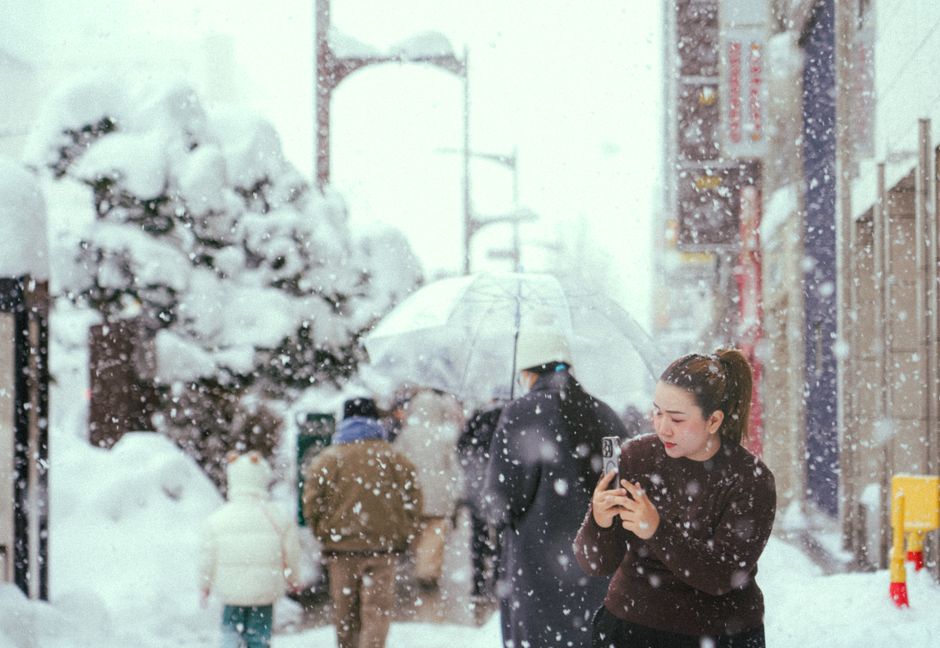
Japan Winter Trip Guide 2026: Snow, Onsen & Festivals
Winter is Japan's underrated season — snow, hot springs and lights, with fewer crowds and lower prices.

Onsen Ryokan First-Timer Guide 2026: How to Book & What to Expect
Everything you need to know before your first onsen ryokan stay — booking, rooms, meals, etiquette, prices, and the 5 best onsen towns for foreigners.
Japanese New Year (Oshogatsu) 2026: Traditions, What's Open, Hatsumode
Japanese New Year (Oshogatsu Dec 31 - Jan 3) is Japan's most sacred holiday. Almost everything closes, shrines get millions of visitors for hatsumode. Here's the 2026 guide.
💬Helped you? Share it
📮Got feedback?
Spot an error, missing info, or have a suggestion? We read every message.
Send feedback →