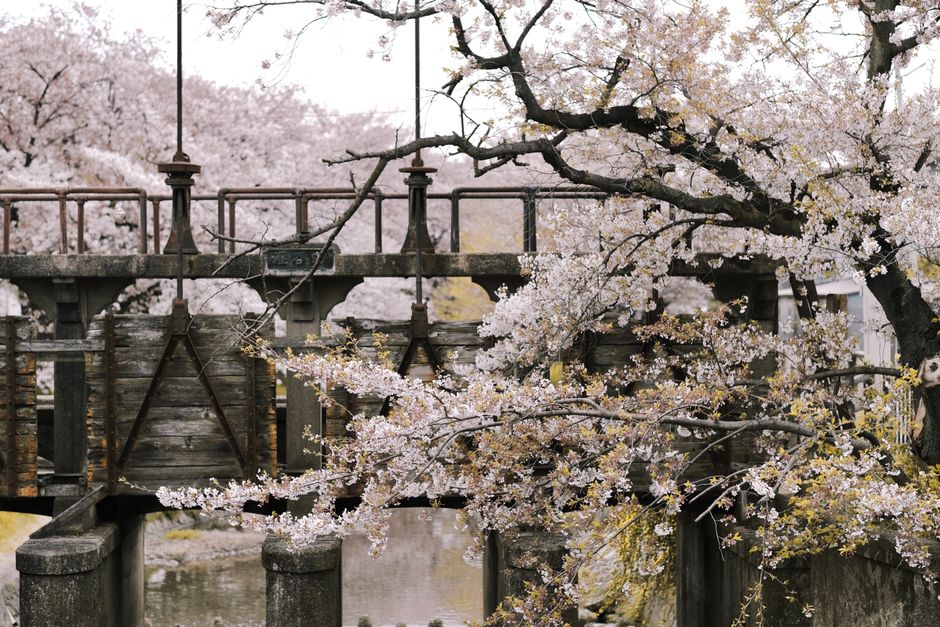
Ise Jingu Grand Shrine 2027: Visiting Shinto's Most Sacred Site
2026-10-22 · 10分钟阅读
The complete 2027 visitor guide to Ise Jingu: inner vs outer shrine, correct visit order, how to get there by train, and why to stay overnight.
Ise Jingu is the shrine of all shrines. The sun goddess Amaterasu is enshrined here, every ruling emperor sends personal offerings, and the entire complex is torn down and rebuilt in identical form every 20 years — a continuous 1,300-year ritual. There is no gold, no carving, no ornament. The spiritual weight is in the trees.
💡Last content review: October 2026
Visiting etiquette, access from NagoyaPR, and the correct order (Geku before Naiku) confirmed against the Ise Jingu Shrine Office's own English-language visitor guidance.
Quick facts: Ise Jingu 2027
| What | Detail |
|---|---|
| Entry fee | Free (donations welcome) |
| Open hours | 05:00-19:00 (May-Aug), shorter in winter |
| Nearest station (Naiku) | Isuzugawa (Kintetsu Line), then 10-min bus |
| Nearest station (Geku) | Iseshi (JR/Kintetsu), 5-min walk |
| From Nagoya | ~1h20m (Kintetsu limited express), ~¥3,000 reserved |
| From Osaka Namba | ~2h on Kintetsu limited express |
| Correct visit order | Geku (outer) first, then Naiku (inner) |
| Next shikinen-sengu rebuild | 2033 (every 20 years) |
Geku vs Naiku: what the difference is
Ise Jingu is not one shrine but 125. The two main sanctuaries are Geku (outer) and Naiku (inner). Geku, in Ise city center, enshrines Toyouke, the goddess of food, clothing and shelter. Naiku, 6 km away in the forest, enshrines Amaterasu, the sun goddess and ancestor of Japan's imperial line. Tradition dictates visiting Geku first, then Naiku — in a day, this is doable but tight.
The inner sanctuary of Naiku is behind four fences; even the emperor can only enter the innermost two. Visitors see the outer fence and the thatched-roof hall silhouette through torii gates. Photography is forbidden past the first stone step.
What to do at each shrine
- ●Geku main hall (Shoden) — Approach via the ancient cedar path, cleanse hands at the temizuya, bow deeply.
- ●Geku sub-shrines (betsugu) — Three important sub-sanctuaries hidden on the grounds; most pilgrims visit all three.
- ●Oharaimachi (between Geku and Naiku) — Historic shopping street with Akafuku (red bean mochi since 1707).
- ●Okage Yokocho — Edo-period streetscape; perfect lunch and souvenir stop.
- ●Isuzu River at Naiku — Pilgrims traditionally wash hands in the river before approaching the inner shrine.
- ●Naiku main hall — The sacred approach is a 20-min walk through the forest; the inner shrine is at the end.
Getting there and when to go
From Tokyo: shinkansen to Nagoya (~1h40m), then Kintetsu limited express to Iseshi (~1h20m). From Osaka Namba: Kintetsu direct to Iseshi (~2h). From Kyoto: Kintetsu via Yamato-Yagi, ~2h30m. The Kintetsu Rail Pass covers the Osaka/Kyoto/Nara-to-Ise route and often beats a JR PassPR for this specific trip.
Peak times are January 1-3 (over 1 million Hatsumode visitors), golden week, and mid-October (the Shimomi matsuri). Spring and autumn weekdays are blissfully quiet; a weekday morning in October is one of the best cultural days in all of Japan.
Find hotels in Ise city for overnight pilgrimage
- ✓ Free cancellation on most rooms
- ✓ Compare 28M+ properties
- ✓ No booking fees
⏰ Prices update daily — book early for peak dates
Affiliate link — we may earn a commission at no extra cost to you.
Guided tour and overnight options
- ●Full-day guided Ise + Toba Mikimoto pearl island — From NagoyaPR, English-speaking; ~¥15,000-20,000.
- ●Private Ise pilgrimage walk — 4 hours, Geku + Naiku + Oharaimachi; ~¥18,000.
- ●Overnight ryokan at Futami Okitama Shrine — The 'wedded rocks' bay 15 min from Ise; ~¥25,000 per person.
- ●Combined Ise + Toba + Shima pearl coast tourPR — Full weekend package.
- ●Public bus pass (Mie Kotsu) — Covers both shrines + Okage Yokocho; ¥1,000 day pass.
Browse Ise Jingu guided tours
- ✓ Skip-the-line e-tickets
- ✓ Mobile voucher, no printing
- ✓ Free cancellation up to 24h
⏰ Popular tours sell out 1-2 weeks ahead
Affiliate link — we may earn a commission at no extra cost to you.
Compare rail pass options for the Ise visit
- ✓ 7, 14, 21-day pass options
- ✓ Activate within 1 year
- ✓ Free shipping worldwide
⏰ Cheaper online than at Japanese stations
Affiliate link — we may earn a commission at no extra cost to you.
Etiquette: this is Shinto's most sacred site
- ●Visit order: Geku first, then Naiku. Do not reverse — it is considered disrespectful.
- ●At the main hall: deep bow twice, two silent claps, bow once more. (Different from Meiji.)
- ●No photography past the first stone step at either main hall.
- ●Cross the Uji Bridge (Naiku) from right to left on the way in, left to right on exit.
- ●Walk on the side of the gravel path, not the center — the center is reserved for the kami.
- ●Dress modestly; shoulders covered.
- ●Silence inside the inner sanctuaries.
💰Compare live hotel prices — Ise
Price checkSame dates, same destination — platforms often differ by 10-25%. Opening all three in new tabs is the fastest way to spot the deal.
Affiliate links — we may earn a commission at no extra cost to you.
Ise Hatsumode overnight stays sell out by mid-November
- January 1-3 Ise Jingu draws over 1 million pilgrims; local ryokan book out 2 months ahead.
- The Kintetsu limited express also sells out for the New Year window; reserve seats early.
- English-speaking private guides are rare in Ise; secure early for key dates.
Affiliate link — we may earn a commission at no extra cost to you.
FAQ
- ●What is Ise Jingu? Shinto's holiest shrine, home of the sun goddess Amaterasu.
- ●Why visit Geku before Naiku? Traditional pilgrimage order; the outer shrine honors the goddess who serves food to Amaterasu.
- ●Is Ise Jingu free? Yes — no entry fee.
- ●How long should I plan? Full day minimum; overnight recommended.
- ●Can I take photos? Yes in the outer areas; strictly not past the first stone step at either main hall.
- ●Does Ise Jingu accept any visitor? Yes — all faiths and nationalities welcome.
- ●How often is the shrine rebuilt? Every 20 years — next in 2033.
- ●Where do I buy omikuji? Ise is famous for NOT having traditional omikuji — visit for pilgrimage, not fortune-telling.
- ●What is the correct prayer sequence? Two deep bows, two claps, one deep bow.
- ●Can I ride a taxi between Geku and Naiku? Yes, ~¥2,000; bus is cheaper.
- ●Where to eat in Okage Yokocho? Akafuku mochi (since 1707), Ise udon, matsusaka beef skewers.
- ●Any English guides on-site? Audio guides and brochures yes; live guides rare — book ahead.
- ●Is Ise Jingu wheelchair accessible? Geku yes; Naiku's forest path is partially accessible.
- ●What to do nearby? Toba pearl island, Futami Okitama 'wedded rocks', Shima oyster coast.
🛠️ 免费旅游工具
免注册、无广告的互动工具。
📚 相关文章
Nikko Toshogu Shrine 2027: Guided Tour, Carvings & Day Trip From Tokyo
The complete Nikko Toshogu Shrine visitor guide for 2027: what the Three Wise Monkeys actually mean, when English guides run, and how to do it as a day trip.

Itsukushima Shrine Miyajima 2027: Tide Timing for the Floating Torii
Everything about tide timing at Itsukushima Shrine on Miyajima for 2027: how to catch the floating torii, when the shrine opens, and the ferry schedule from Hiroshima.
Fushimi Inari at Night 2027: Visiting Hours, Lantern Photos & Access
The complete 2027 guide to visiting Fushimi Inari Shrine at night: lantern hours, torii photo tactics, trail safety, and the best base hotels in Kyoto.
Meiji Shrine Hatsumode 2027: Best Time to Go & Which Gate to Use
Everything you need to visit Meiji Shrine during Hatsumode 2027: entry windows, the quieter south gate strategy, and how to combine it with Harajuku and Shibuya.
💬觉得有用?分享出去