Mt Fuji Climbing 2026: Season, Routes, Huts, & Practical Guide
2026-08-03· Updated 2026-09-11 · 4 Min. Lesezeit

Mt Fuji official climbing season 2026 is July 1 – September 10. New ¥2,000 entry fee, 4,000 climber daily cap. Here's the complete route guide + how to catch sunrise (goraiko).
Mt Fuji is not a walk. It's a 6-8 hour climb at altitude in unpredictable weather. But watching sunrise (goraiko) from the summit at 3,776m is a life-list experience.
💡Last content review: August 2024
Prices, dates, and opening hours compiled from official operator websites and Japanese-language public sources.
⚡⏰ Peak-season rooms go first
Golden Week, Obon, New Year and the sakura and autumn-leaf peaks fill up fast. Once your dates are set, check availability now. Every week you wait, there are fewer rooms to choose from.
Official 2026 climbing season
| Route | Season 2026 | Difficulty | Best for |
|---|---|---|---|
| Yoshida (Yamanashi side) | July 1 - Sept 10 | Beginner | First-timers, most amenities |
| Subashiri (Shizuoka) | July 10 - Sept 10 | Intermediate | Quieter, sand slide descent |
| Gotemba (Shizuoka) | July 10 - Sept 10 | Advanced | Longest, quietest, sandy |
| Fujinomiya (Shizuoka) | July 10 - Sept 10 | Intermediate | Shortest but steepest |
⚡New 2024+ rules
Yoshida trail requires reservation + ¥2,000 entry fee (increased for 2026). Daily cap 4,000 climbers. Gate closes 4 PM (no overnight climb without hut booking). Reservation opens 1 month before at fujisanguide.pref.yamanashi.jp.
The classic 2-day itinerary (Yoshida route)
| Time | Activity | Book |
|---|---|---|
| Day 1 - 12:00 | Arrive Fuji Subaru Line 5th Station (2,300m) — bus from Kawaguchiko | 🏨 Book |
| Day 1 - 13:00 | Register + start climb | |
| Day 1 - 18:00 | Arrive 7th/8th station hut (~3,100m), dinner + rest | 🏨 Book |
| Day 2 - 01:00 | Depart hut for summit push | |
| Day 2 - 04:30 | Reach summit (3,776m) | 🏨 Book |
| Day 2 - 05:00 | Sunrise (goraiko) | |
| Day 2 - 06:00 | Walk around crater (1 hr optional) | |
| Day 2 - 07:00 | Descend to 5th station | |
| Day 2 - 12:00 | Bus back to Kawaguchiko |
Mountain huts (must book ahead)
Booking mandatory. Huts sell out 2-3 months ahead for peak weekends. Cost ¥8,000-13,000/night including 1 dinner + 1 breakfast. Shared bunk-bed style (no privacy). Bring your own toilet paper — some huts charge ¥100-200 for bathroom.
- ●Fujisan Hotel (8th station) — most popular, book 3 months ahead
- ●Taishikan (7th station) — good English service
- ●Toriiso (8th station) — highest hut, best for late-night summit push
- ●Booking method: hut websites in Japanese only; use rakuten-travel.co.jp or ask hotel concierge
Essential gear
Where to stay — check live prices
- ✓ Free cancellation on most rooms
- ✓ Compare 28M+ properties
- ✓ No booking fees
⏰ Lock in before prices rise — this week's rates may not hold
- ●Hiking boots (ankle support) — Uniqlo trainers WILL fail you
- ●Layers: base + fleece + waterproof shell (summit temp 5-10°C, can drop to 0°C at night)
- ●Headlamp with extra batteries (essential for night summit)
- ●Hiking poles (buy at 5th station ¥1,500-2,500)
- ●2L water (huts sell water ¥400/500ml — plan accordingly)
- ●High-energy snacks: chocolate, dried fruit, energy bars
- ●Rain gear (weather changes fast at altitude)
- ●Cash ¥5,000-10,000 (toilet fees, hut extras, souvenirs)
Altitude sickness — the real threat
3,776m is the altitude where 20-30% of climbers get altitude sickness (headache, nausea, dizziness). Prevention: climb slowly (aim 300m elevation gain per hour), stay hydrated (3L water total), avoid alcohol, spend the night at 3,000m+ before summit push. If symptoms severe, DESCEND immediately.
Book Mt Fuji guided tour (Klook)
- ✓ Skip-the-line e-tickets
- ✓ Mobile voucher, no printing
- ✓ Free cancellation up to 24h
⏰ Mobile voucher instantly — skip the ticket line on arrival
The 'don't climb Mt Fuji' argument
Consider: Mt Fuji is prettier as a VIEW than a climb. The mountain is bare volcanic gravel, no trees, no scenic beauty. If you want to say you climbed it, do it. If you just want a Mt Fuji experience, consider viewing from Hakone, Kawaguchiko, or Chureito Pagoda instead.
Frequently asked questions
What is the best time to visit
Spring (late March to mid-April) and autumn (mid-November to early December) are peak seasons for weather and scenery but also the most crowded and expensive. May and early October offer mild temperatures and shoulder-season prices without peak crowds. Winter is quietest and least touristed, with clearer skies and the lowest hotel rates. Summer brings heat, humidity, and festival season — rewarding but physically demanding, especially in Tokyo and Osaka.
How much does it cost typically
Mid-range daily spending in Japan averages ¥20,000–¥30,000 per person, covering a 3-star hotel, two meals out, local transit, and one paid attraction. Budget travellers staying in hostels can bring the figure under ¥10,000 per day; luxury-focused trips can exceed ¥50,000. Peak-season surcharges on hotels run 30–60% during sakura, koyo, Golden Week, and Obon. Flight costs vary most by booking lead time; booking 3–4 months ahead typically saves 20–30% versus last-minute.
Is this suitable for first-time visitors
Most popular Japan experiences — Tokyo, Kyoto, Osaka, day trips to Hakone and Nara — are well-signposted in English and geared for visitors. First-timers typically find a mix of three cities over 10–14 days the most comfortable pace. Over-ambitious itineraries that attempt 5+ cities in two weeks drain energy and reduce enjoyment; staying 3–4 nights per base city is a more sustainable rhythm. Guided day tours fill specific gaps (sumo, tea ceremony, hiking) without needing to pre-plan the whole trip.
What should I pack
Comfortable walking shoes already broken in are the single most important item — a typical sightseeing day covers 15,000–25,000 steps. Layer-friendly clothing suits Japan's 10–15°C daily swings between early morning and late afternoon. A pocket Wi-Fi or eSIM, universal plug adapter, and a lightweight day backpack cover the practical essentials. Pack light; coin lockers and takuhaibin luggage forwarding between hotels make moving with carry-on-sized bags easy and relatively inexpensive.
Is any booking required in advance
Best tours & experiences for this trip
- ✓ Skip-the-line e-tickets
- ✓ Mobile voucher, no printing
- ✓ Free cancellation up to 24h
⏰ Mobile voucher instantly — skip the ticket line on arrival
Peak-season hotels in major cities (sakura, koyo, Golden Week) should be booked 2–4 months ahead; shoulder-season bookings 3–4 weeks ahead are typically sufficient. Shinkansen seats can be reserved up to a month ahead but walk-up tickets are widely available except during peak holidays. Flagship restaurants, popular tours, and sumo tournament tickets are the main items that require earlier action — often 1–3 months of lead time for the most sought-after options.
→ Hakone (see Mt Fuji without climbing)→ Trip cost calculatorMt. Fuji official climber registrationMt. Fuji day trip from TokyoCompare live hotel rates
- ✓ Free cancellation on most rooms
- ✓ Compare 28M+ properties
- ✓ No booking fees
⏰ Lock in before prices rise — this week's rates may not hold
3 Mt. Fuji / Kawaguchiko hotels for peak views
⏰ Fuji-view rooms sell out 3 months ahead for sakura + climbing season (July-Sep)
1. Hoshino Resort KAI Fuji
Lakeside modern ryokan with Fuji view from every room. Design-forward kaiseki, onsen. Our top Fuji splurge pick.
Book on Booking →2. Highland Resort Hotel & Spa
Attached to Fuji-Q Highland theme park. Fuji view rooms + hot spring + park early-entry. Family favorite.
Book on Agoda →3. Hotel Mystays Fuji Onsen Resort
Mid-budget Kawaguchiko option. Fuji-view rooms available, onsen on-site. Reliable value.
Book on Trip.com →Prices shown on each site. We earn a small commission if you book — at no cost to you.
Check Agoda — often cheaper for Japan
- ✓ APAC #1 — cheapest for Korea/Taiwan guests
- ✓ Instant mobile confirmation
- ✓ No prepayment on many rooms
⏰ Peak-season rates climb daily — snapshot today's price now
Japan eSIM — set it up before you fly
- ✓ Works instantly on arrival
- ✓ No SIM card swap
- ✓ Buy before you fly
⏰ Activate the moment you land — no more hunting for free airport Wi-Fi
Japan travel insurance — get covered before you fly
- ✓ Covers Japan medical + evacuation
- ✓ From $45/month flexible
- ✓ Cancel anytime
⏰ Japan doesn't accept most foreign health cards — one ER visit = your whole trip budget
🛠️ Free travel tools
Interactive tools built by us — no signup, no ads.
🎯 For readers of this guide
Ready to book your stay?
Live prices for Japan — free cancellation on most rooms.
- ✓ Free cancellation
- ✓ Best price guarantee
- ✓ No booking fees
Affiliate link — no extra cost to you
📚 Related guides

Mt Fuji Climbing 2026: Official Registration, ¥4,000 Fee, Hut Reservations & Safety
Mt Fuji 2026: new ¥4,000 fee, mandatory gate reservation, 200/day limit on Yoshida trail. Bullet climb banned. Full official climbing guide.
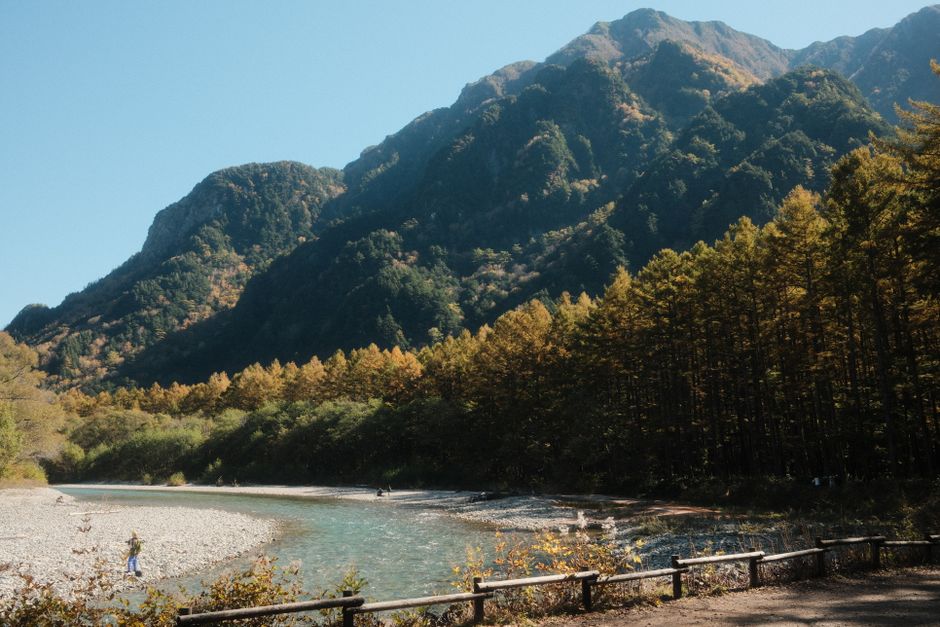
Kamikochi 2026: Ultimate Guide to Japan's Most Beautiful Alpine Valley
Kamikochi is Japan Alps at 1,500m — no cars allowed, pristine hiking trails, Northern Alps views. Peak Aug-Sep. Complete 2026 access + hotel + route guide.
Fushimi Inari Schrein 2027: Tausend-Torii-Wanderguide
Die Tausend-Torii-Wanderung bei Fushimi Inari ist eines von Kyotos bestimmenden Bildern und die meistfotografierte Stätte Japans. Hier wie Sie den Besuch timen und die Vormittagsmassen vermeiden.

Hakone 2-Day Trip 2026: Onsen, Mt Fuji & Open-Air Museum
Hakone in 2 days from Tokyo: onsen + Mt Fuji + art museum + lake cruise. Free Pass strategy, best ryokans, and timing tips.
💬War das hilfreich? Teilen Sie es
📮Rückmeldung?
Fehler entdeckt, etwas fehlt oder ein Vorschlag? Wir lesen jede Nachricht.
Feedback senden →