Japan's Three Great Hidden Regions: Shirakawa-go, Iya, Shiiba
2026-10-20 · 3 Min. Lesezeit

The three valleys that Japanese tradition names as the country's most isolated: UNESCO thatched roofs in Gifu, vine bridges in Tokushima, and the mountain hamlets of Miyazaki.
Japan's three great hidden regions are the valleys that history forgot and modern highways still barely touch.
💡Last content review: October 2026
Prices, dates, and opening hours compiled from official operator websites and Japanese-language public sources.
The phrase nihon sankei hikyou, Japan's three great hidden regions, points to places that stayed cut off from the mainstream for so long that their architecture, food, and dialect developed almost in isolation. The traditional trio names Shirakawa-go and Gokayama in the Gifu-Toyama borderlands, the Iya Valley in Tokushima, and the Shiiba district of Miyazaki. All three are reachable today, but none quickly.
⚡⏰ Peak-season rooms go first
Golden Week, Obon, New Year and the sakura and autumn-leaf peaks fill up fast. Once your dates are set, check availability now. Every week you wait, there are fewer rooms to choose from.
1. Shirakawa-go and Gokayama: the thatched-roof valleys
Ranked first because of its UNESCO status and global recognition, Shirakawa-go sits in a snow-pocket valley where houses evolved steep gassho-zukuri roofs to shed meters of winter snow. The village of Ogimachi is the most visited; the smaller Gokayama hamlets across the border in Toyama see a fraction of the crowds. Winter light-up evenings in January and February require advance reservations now, and day-trippers from Takayama and Kanazawa fill the main street from mid-morning onward. Visitors who stay overnight in a converted farmhouse experience the valley after the buses leave.
- ●Isolation history — snowed in for months each winter, which preserved the architecture and the mutual-aid farming system called yui.
- ●Access — expressway bus from Takayama (around 50 minutes) or Kanazawa (around 75 minutes); no train line reaches the village.
- ●Best season — late January to mid-February for the illuminated snow scenes, late April to early May for green rice fields, or October for autumn color.
- ●Where to stay — a handful of minshuku inside the thatched houses themselves; book several months ahead for winter weekends.
2. Iya Valley: vine bridges and mountain shadows
Where to stay — check live prices
- ✓ Free cancellation on most rooms
- ✓ Compare 28M+ properties
- ✓ No booking fees
⏰ Lock in before prices rise — this week's rates may not hold
Iya in central Tokushima is Shikoku's deepest gorge country, long associated with Heike warriors said to have fled here after defeat in the twelfth century. The famous Kazurabashi vine bridge in Nishi-Iya is the postcard image, but the smaller twin bridges deeper into Oku-Iya and the thatched hamlet of Ochiai preserve more of the atmosphere. Driving the single lane that follows the river is slow, scenic, and best done outside peak foliage weekends.
- ●Isolation history — nearly roadless until the twentieth century; many hamlets cling to slopes above the gorge.
- ●Access — rental car from Oboke Station on the JR Dosan Line is the practical option; local buses run but are infrequent.
- ●Best season — mid-November for the fiery gorge foliage, or midsummer for cool mountain air.
- ●Where to stay — restored farmhouses in the Tougenkyo-Iya project around Ochiai; onsen inns near Oboke.
3. Shiiba: the mountain hamlets of Miyazaki
The least visited of the three, Shiiba village occupies the mountainous interior of Miyazaki Prefecture in Kyushu. Fewer than two thousand people live scattered across a landscape of ridges and tea terraces. The village preserves a kagura dance tradition recognized nationally and a slash-and-burn agricultural practice that outlasted its disappearance almost everywhere else in Japan. There is no train line within reach, and infrastructure for foreign visitors is minimal; this is the trip for travelers who have already done Shirakawa and Iya.
- ●Isolation history — settled by Heike refugees according to local legend; too remote for the postwar highway network to tame.
- ●Access — rental car from Hyuga or Nobeoka stations on the JR Nippo Line, roughly two to three hours of mountain driving.
- ●Best season — late November for yakihata harvest festivals and foliage; midwinter kagura runs from November into February in several hamlets.
- ●Where to stay — small village inns and farm-stays; English is rare so basic Japanese or a translation app helps.
⚡Mountain driving
Roads into all three regions include single-lane sections with blind curves. Hire the smallest practical car and avoid night driving in winter.
Compare farmhouse stays near Shirakawa-go
- ✓ Free cancellation on most rooms
- ✓ Compare 28M+ properties
- ✓ No booking fees
⏰ Lock in before prices rise — this week's rates may not hold
Japan eSIM — set it up before you fly
- ✓ Works instantly on arrival
- ✓ No SIM card swap
- ✓ Buy before you fly
⏰ Activate the moment you land — no more hunting for free airport Wi-Fi
Japan travel insurance — get covered before you fly
- ✓ Covers Japan medical + evacuation
- ✓ From $45/month flexible
- ✓ Cancel anytime
⏰ Japan doesn't accept most foreign health cards — one ER visit = your whole trip budget
3 Japan hotels to start your trip (Tokyo / Kyoto / Osaka)
⏰ Peak-season rooms in all three cities sell out 3-4 months ahead — lock the opener first
1. The Peninsula Tokyo
Our top Tokyo splurge — Hibiya Park views + Imperial Palace moat sakura. Michelin dining on-site. Perfect first-night-in-Japan arrival.
Book on Booking →2. Hyatt Regency Kyoto
Higashiyama's best 5-star location. Walking distance to Sanjusangendo, Kiyomizu-dera. Our Kyoto base pick.
Book on Agoda →3. Conrad Osaka
Nakanoshima 40th-floor views across Osaka. 5-star service, Michelin restaurants, Mandarin + Korean concierge. Great Namba access.
Book on Booking →Prices shown on each site. We earn a small commission if you book — at no cost to you.
🛠️ Free travel tools
Interactive tools built by us — no signup, no ads.
🎯 For readers of this guide
Ready to book your stay?
Live prices for Shirakawa-go — free cancellation on most rooms.
- ✓ Free cancellation
- ✓ Best price guarantee
- ✓ No booking fees
Affiliate link — no extra cost to you
📚 Related guides
Shiretoko National Park 2027: Brown Bears, Cruises & UNESCO Access
Shiretoko (UNESCO 2005) is Japan's wildest corner — brown bears, orcas, pack ice, and strict access rules. Here's the 2027 guide to cruises, hiking, and the Five Lakes trail.
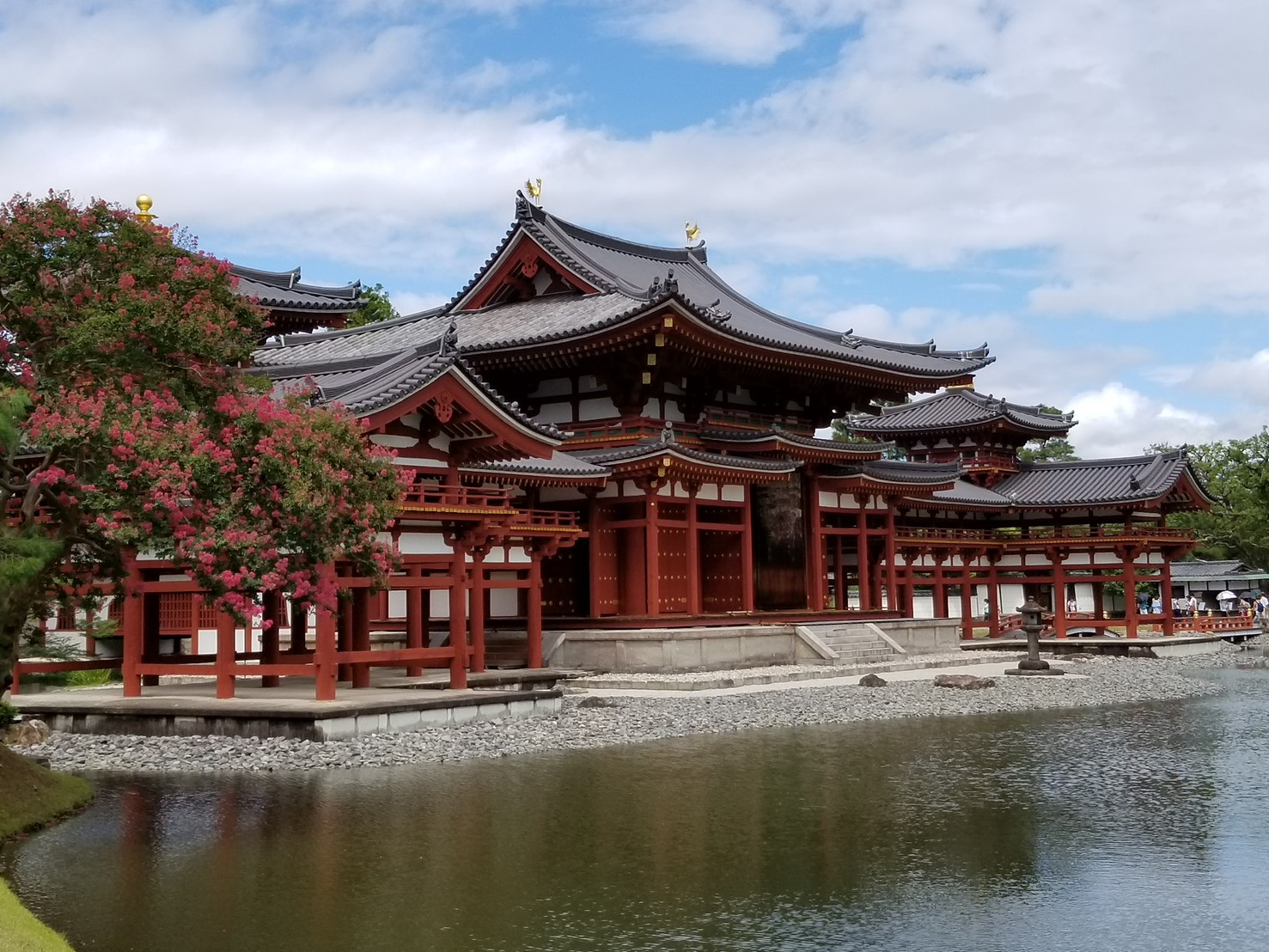
Byodoin Phoenix-Halle Uji 2027: Japans ¥10-Münz-UNESCO-Tempel-Guide
Byodoins Phoenix-Halle (1053) ist auf Japans ¥10-Münze, ist UNESCO und liegt 15 Minuten von Kyoto per JR Nara-Linie. Innentouren mit separatem Ticket. Hier der Besucherguide 2027.
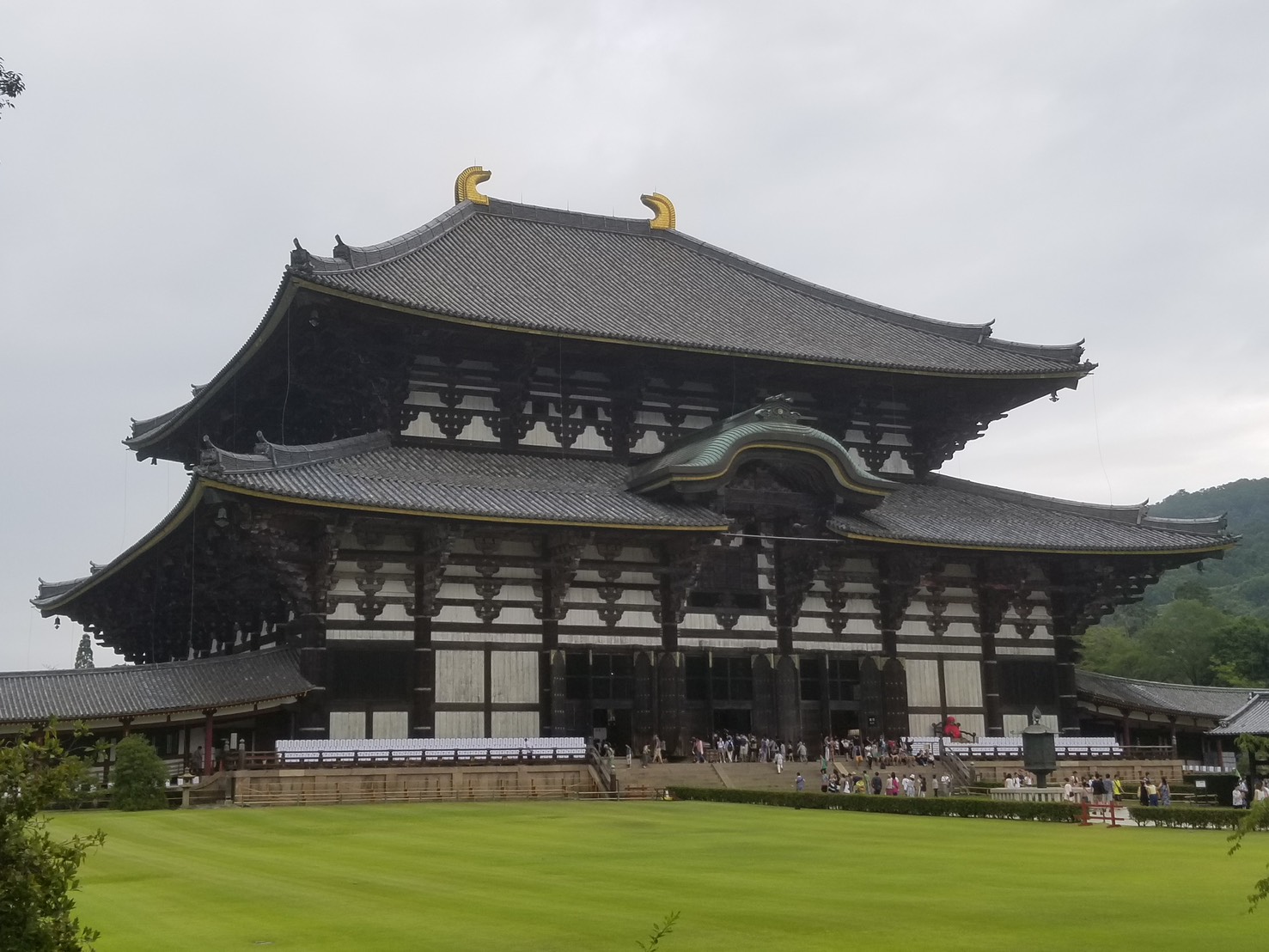
Todaiji Nara 2027: Großer Buddha + Daibutsuden Besucherguide
Todaijis Daibutsuden ist das weltgrößte Holzgebäude und beherbergt den 15 m Großen Buddha von Nara (752 n. Chr.). UNESCO, ¥800, umgeben von freilaufenden Rehen. Hier der Besucherguide 2027.
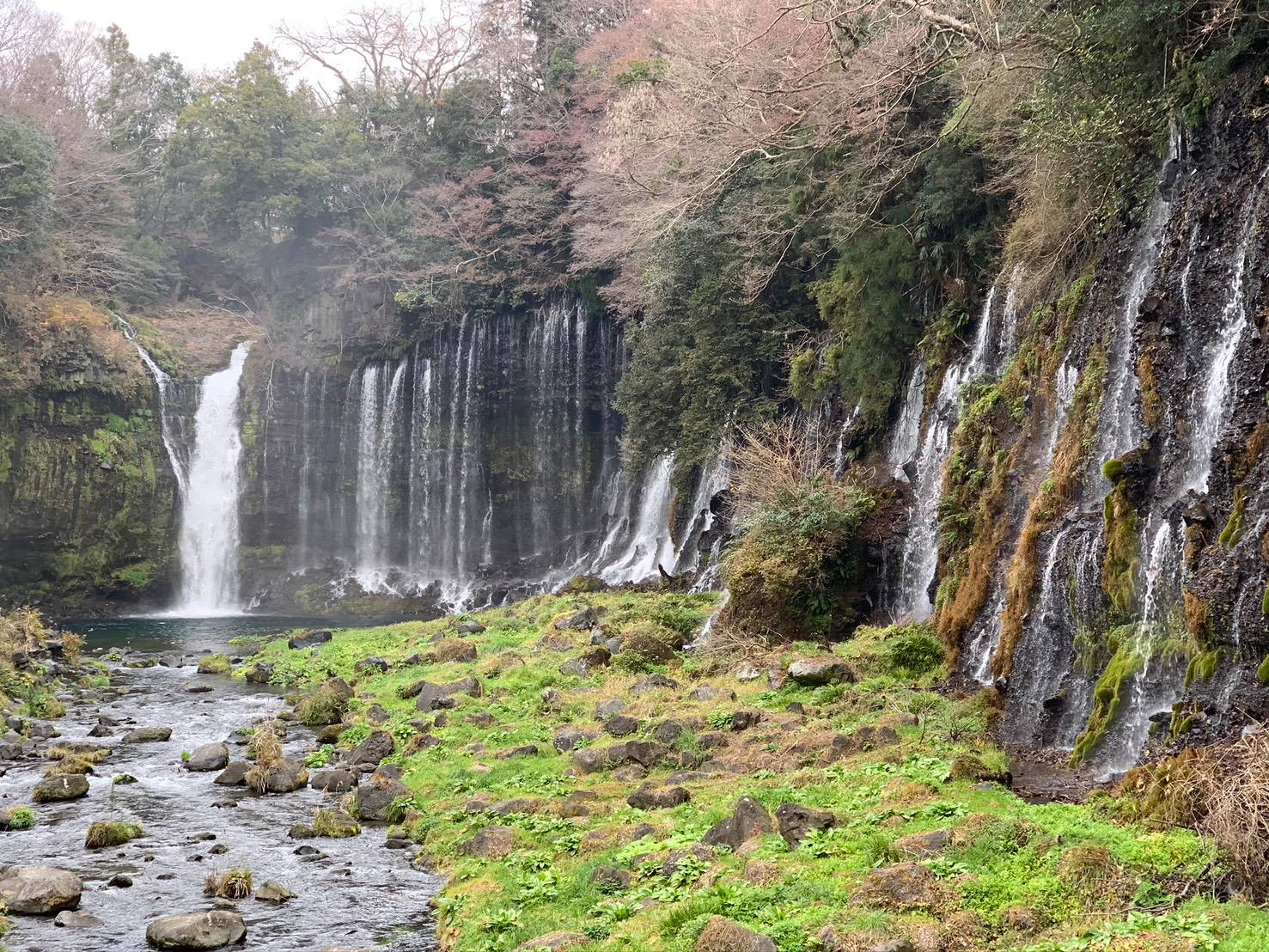
Shiraito-Wasserfälle Shizuoka 2027: Der versteckte UNESCO-Wasserfall des Fuji
Die Shiraito-Wasserfälle teilen sich 150 m breit in Hunderte seidenfadendünne Rinnsale einen Lavafelsen in der Nähe des Fuji hinunter. UNESCO, Top 100 Wasserfälle, 40 Min. vom Bahnhof Shin-Fuji. Hier ist der 2027-Leitfaden.
💬War das hilfreich? Teilen Sie es
📮Rückmeldung?
Fehler entdeckt, etwas fehlt oder ein Vorschlag? Wir lesen jede Nachricht.
Feedback senden →